
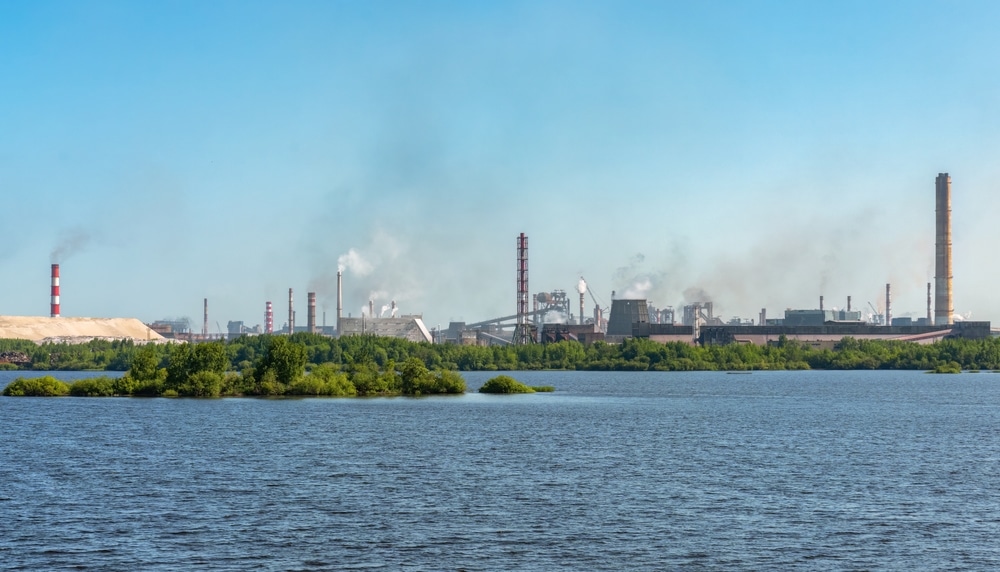
Ukrainian unmanned systems forces struck the Apatit chemical plant in Cherepovets, northwestern Russia, Ukrainian officials and open-source analysts said Monday.
Unmanned Systems Forces Commander Robert “Magyar” Brovdi described the plant, located in Russia’s Vologda region, as a major chemical producer generating hundreds of thousands of tons of ammonia, saltpeter and nitric acid.
He said those substances are used as raw materials in the production of explosives, including TNT and RDX.
Monitoring channels report a strike on the “Apatit” chemical plant in the Vologda region of the Russian Federation. The plant specializes in the production of phosphorus-containing fertilizers, as well as phosphoric and sulfuric acids, which are used in the manufacturing of… pic.twitter.com/K984FWKkWJ
— WarTranslated (@wartranslated) April 13, 2026
Russian news outlet Astra said drones likely struck the nitrogen complex at the Apatit chemical plant.
Open-source intelligence suggested the attack may also have hit two of the plant’s three ammonia workshops, which together have a combined annual production capacity of about 900,000 tons.
KiberBoroshno confirms black smoke rising from two out of three ammonia units with a total capacity of 900,000 tons per year. There is also a possible hit on the ammonia storage facility of these units. Following the start of the full-scale invasion, the storage facility was… https://t.co/oufVGcsK0l pic.twitter.com/Ro3aNy2AVb
— WarTranslated (@wartranslated) April 13, 2026
Vologda Oblast Governor Georgy Filimonov said 13 drones targeted the city’s industrial zone and that emergency services were responding at locations where debris had fallen.
The Apatit facility accounts for roughly 6% of Russia’s total ammonia production and is also a major European producer of phosphate-based fertilizers and industrial acids, including phosphoric and sulfuric acid, ammonium nitrate and NPK fertilizers.
On March 27, explosions were reported at the same industrial complex, with local officials acknowledging drone impacts at the site.