
• Home
  • News
    • Global Operations
      • Asia
      • Africa
      • Europe
      • Latin America
      • Middle East
      • North America
    • Industry
      • Asia
      • Africa
      • Europe
      • Latin America
      • Middle East
      • North America
      • Oceana
    • Special Interest
      • Asia
      • Africa
      • Europe
      • Latin America
      • Middle East
      • North America
      • Oceana
  • Market
    • Wired to Win
    • SOFX.NET
  • Intelligence
    • USMC Deception Manual
  • Resources
    • Contact Us
    • About Us
    • Editorial Policy
    • Privacy Policy
  • Home
  • News
    • Global Operations
      • Asia
      • Africa
      • Europe
      • Latin America
      • Middle East
      • North America
    • Industry
      • Asia
      • Africa
      • Europe
      • Latin America
      • Middle East
      • North America
      • Oceana
    • Special Interest
      • Asia
      • Africa
      • Europe
      • Latin America
      • Middle East
      • North America
      • Oceana
  • Market
    • Wired to Win
    • SOFX.NET
  • Intelligence
    • USMC Deception Manual
  • Resources
    • Contact Us
    • About Us
    • Editorial Policy
    • Privacy Policy
Login
Join Free
Home
Asia
Africa
Europe
Latin America
Middle East
North America
Asia
Africa
Europe
Latin America
Middle East
North America
Asia
Africa
Europe
Latin America
Middle East
North America
Coming Soon
Job Board
Events
Contact Awards
USMC Deception Manual
Login
Join Free
Home Special Interest Asia Special Interest

U.S. Missile System to Stay in the Philippines Despite Chinese Objections

  • SOFX Staff Writer
  • September 19, 2024
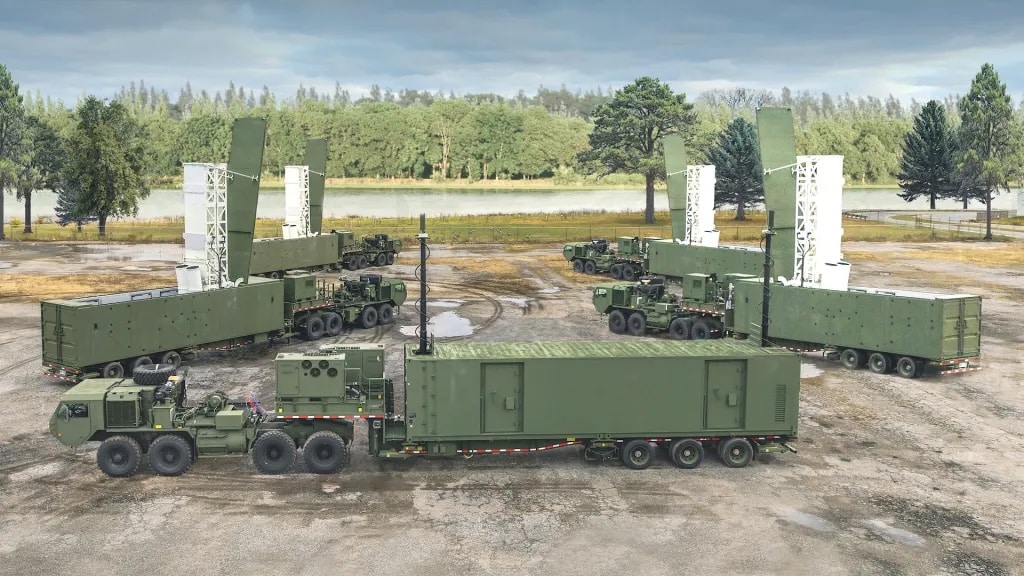
Mid-Range Capability, Typhon Missile Systems (US Army Photo)
Share on FacebookShare on TwitterLinkedIn

The United States has decided to keep its mid-range missile system deployed in the Philippines, dismissing Chinese calls for its removal. The missile system, called “Typhon,” was initially brought to the Philippines in April 2024 for joint military exercises with Filipino forces. However, more than four months later, the system remains in the country, with no immediate plans for withdrawal. Both U.S. and Philippine officials confirmed that it is still being used for training and strategic purposes.

The U.S. Army deployed the Typhon missile system to northern Luzon, the Philippines’ largest island, as part of the annual military exercises Balikatan 24 and Salaknib 24. This mobile missile system is capable of launching a variety of munitions, including Tomahawk cruise missiles, which have a range of 1,500 miles. This capability puts Chinese military installations and artificial islands in the South China Sea within striking distance.

Philippine Army officials confirmed that their troops are continuing to train with the system. Brigadier General Bernard Harrington, head of the U.S. military’s 1st Multi-Domain Task Force, described the deployment as a milestone in strengthening U.S.-Philippine defense ties.

China has voiced strong objections to the ongoing presence of the U.S. missile system, accusing Washington of destabilizing the region and escalating military tensions. Chinese officials have stated that the deployment fuels an arms race and threatens the security of neighboring countries. This is the first time since the Cold War that the U.S. has stationed a mid-range missile system in the Indo-Pacific region, adding to already heightened tensions over territorial disputes in the South China Sea and the potential for conflict over Taiwan.

Despite China’s protests, Philippine military officials, including spokesperson Col. Xerxes Trinidad, have emphasized that the Typhon system will remain as long as it is being used for training purposes. The Philippines, a key U.S. ally in Southeast Asia, plays a critical role in American defense strategies, particularly in countering China’s growing influence in the region.

The ongoing presence of the Typhon missile system signals the deepening military cooperation between the U.S. and the Philippines. The deployment allows the U.S. to test how effectively the system can be integrated into the region’s defense architecture in the event of a conflict. A senior Philippine official stated that the U.S. is exploring the feasibility of using the system for long-term defense operations in the region.


Expanded Coverage:

Reuters

Arab News

Newsweek

Eurasian Times

SOFX Staff Writer

SOFX Staff Writer

The Editor Staff at SOFX comprises a diverse, global team of dedicated staff writers and skilled freelancers. Together, they form the backbone of our reporting and content creation.

Subscribe
Login
Notify of
guest
guest
0 Comments
Oldest
Newest Most Voted
Inline Feedbacks
View all comments
ADVERTISEMENT

Trending News

BBC Investigation Exposes Smart Glasses Filming Scheme With Pay-to-Remove Footage Demand

BBC Investigation Exposes Smart Glasses Filming Scheme With Pay-to-Remove Footage Demand

by SOFX Staff Writer
May 8, 2026
0

A London woman was covertly filmed through smart glasses in a shopping centre, had the footage viewed approximately 40,000 times...

In-Car Tech That Could Shut Down Engines to Be Mandatory in U.S. Cars by 2027 Amid Privacy Fears

In-Car Tech That Could Shut Down Engines to Be Mandatory in U.S. Cars by 2027 Amid Privacy Fears

by SOFX Staff Writer
May 4, 2026
2

New passenger vehicles sold in the United States would soon be required to include in-cabin monitoring systems that assess whether...

Coast Guard Consolidates Elite Units Under New Special Missions Command

Coast Guard Consolidates Elite Units Under New Special Missions Command

by SOFX Staff Writer
May 7, 2026
0

The U.S. Coast Guard announced the creation of a new Special Missions Command that will oversee its elite maritime response...

AI Coding Agent Wipes Startup’s Entire Database in Nine Seconds

AI Coding Agent Wipes Startup’s Entire Database in Nine Seconds

by SOFX Staff Writer
May 1, 2026
0

A Cursor coding agent running Anthropic's Claude Opus 4.6 deleted PocketOS's entire production database and all volume-level backups in a...

ADVERTISEMENT
ADVERTISEMENT
Next Post

U.S. Air Force Provides Update on B-21 Raider Stealth Bomber Program

FBI Disrupts Chinese-Linked Botnet Targeting U.S. and Global Infrastructure

FBI Disrupts Chinese-Linked Botnet Targeting U.S. and Global Infrastructure

997 Morrison Dr. Suite 200, Charleston, SC 29403

News

  • Global Operations
  • Special Interest
  • Industry
  • Global Operations
  • Special Interest
  • Industry

Resources

  • About Us
  • Contact Us
  • Advertise with Us
  • Editorial Policy
  • Privacy Policy
  • About Us
  • Contact Us
  • Advertise with Us
  • Editorial Policy
  • Privacy Policy
No Result
View All Result
  • Home
  • News
    • Global Operations
      • Asia
      • Africa
      • Europe
      • Latin America
      • Middle East
      • North America
    • Industry
      • Asia
      • Africa
      • Europe
      • Latin America
      • Middle East
      • North America
      • Oceana
    • Special Interest
      • Asia
      • Africa
      • Europe
      • Latin America
      • Middle East
      • North America
      • Oceana
  • Market
    • Wired to Win
    • SOFX.NET
  • Intelligence
    • USMC Deception Manual
  • Resources
    • Contact Us
    • About Us
    • Editorial Policy
    • Privacy Policy
Subscribe
This website uses cookies. By continuing to use this website you are giving consent to cookies being used. Visit our Privacy and Cookie Policy.

Log in to your account

Lost your password?
wpDiscuz