
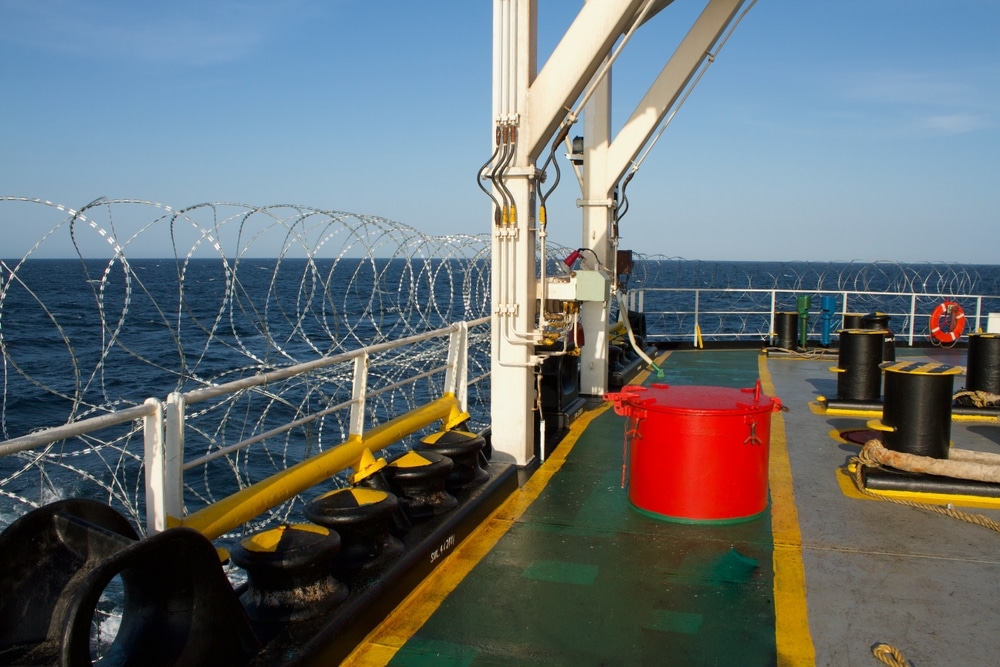
Somali piracy is reemerging along key Indian Ocean shipping lanes as commercial vessels divert around Africa amid escalating security threats in the Middle East, according to maritime analysts and recent reporting.
The renewed activity comes as tensions and attacks in and around the Red Sea and Strait of Hormuz have forced shipping firms to reroute vessels away from the Suez Canal and toward the longer route around the Cape of Good Hope.
According to reports, three vessels have been hijacked off Somalia over the past three weeks.
The MT Honour 25, a Palau-flagged oil and product tanker, was hijacked on April 21 off Somalia’s Puntland coast, while the MV Sward, a St. Kitts and Nevis-flagged cargo ship, was seized on April 26 near Garacad, Somalia. The MT Eureka, an oil tanker, was captured near the port of Qana in Yemen on May 2.
Piracy isn’t dead. It’s happening again.
The hijacked tanker M/T Eureka is still being held with eight Egyptian sailors aboard. Somali pirates have raised their ransom demand from $3 million to $10 million, reports say.
The tanker was seized off Yemen on May 2 and then taken… pic.twitter.com/RSBafVw9cn
— The Maritime (@themaritimenet) May 13, 2026
According to Drop Site News, Somali pirates are demanding a $10 million ransom for the release of the MT Eureka.
The hijackings mark the most significant resurgence of Somali piracy since its peak in the early 2010s, when armed groups operating from the Horn of Africa routinely targeted commercial shipping in the Gulf of Aden and Indian Ocean.
In the late 2000s and early 2010s, U.S.- and European-led multilateral efforts brought together dozens of countries, along with Somali partners, to counter the piracy threat.
Those operations, combined with private-sector security measures, drove a steep decline in attacks from 2012 onward, with pirates carrying out only one confirmed hijacking between 2014 and 2022.
Security and Economic Risks
The American Enterprise Institute (AEI), a public policy think tank, said the resurgence of piracy off Somalia carries broader security and economic risks.
“These activities pose a major threat both to the global economy and to regional security, as they disrupt the oil and derivatives trade and risk enabling al-Qaeda’s Somali affiliate, al-Shabaab, to increase its revenue and strengthen its ties with the Houthis.”
“Some groups, organized by … piracy kingpins, are now looking to seize vessels and hold them for ransom, along with the crew on board — sometimes demanding a high ransom for their safe return,” Tim Walker, senior researcher for transnational threats and organized crime at South Africa’s Institute for Security Studies told DW.
U.S. Urged to Act
The AEI said the U.S. should address the pirate resurgence now to prevent it from threatening the global economy.
The group called on the U.S. to work with local Somali and international partners to “ensure that piracy cannot wreak even more havoc than it did over a decade ago.”
It also said the U.S. should encourage its NATO allies and other international partners to conduct naval patrols in the Gulf of Aden and the Indian Ocean amid rising piracy reports.









Oh, so now you need US support? How about instead of draining our tax dollars you get all those countries that denied us support and base access in this Iran conflict to take care of it! They obviously have the time and resources. The US citizens are fed up with this world view that we are responsible for the security of the entire planet! You want safe passage and the goods in those cargo holds you can get some skin in the game or do without! 😡
Mount .50’s and turn them into fish food.