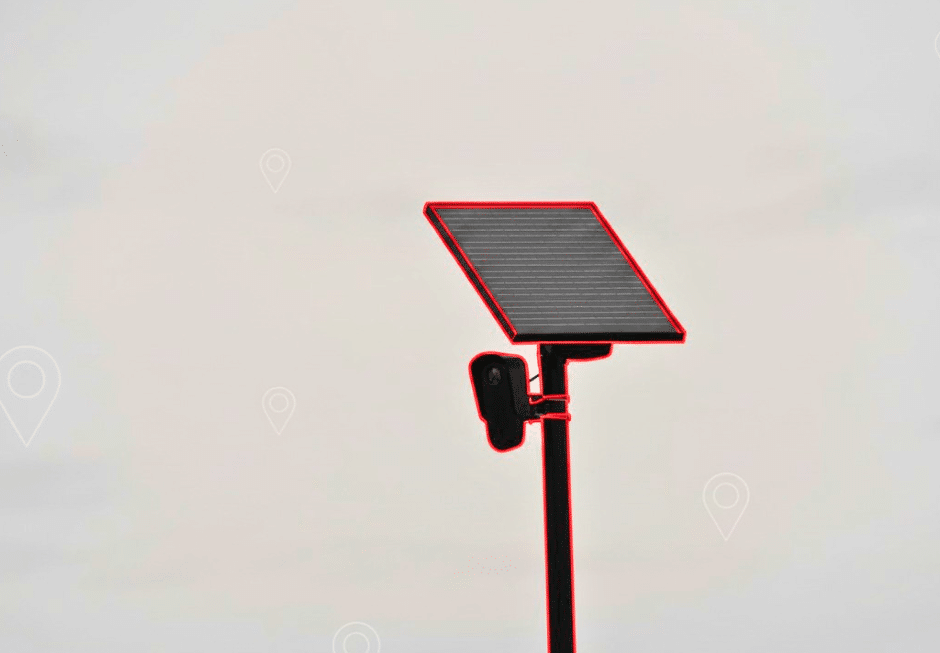
A growing number of U.S. law enforcement agencies are using automated license plate reader (ALPR) networks operated by Flock Safety to conduct school residency checks, employment background investigations and other administrative searches without warrants, according to a new analysis by the Electronic Frontier Foundation (EFF).
Flock Safety, which operates the network used by hundreds of law enforcement agencies nationwide, describes its system as a public safety tool designed to help investigators solve crimes and locate missing persons.
The EFF, however, argues that the same system is increasingly being used for purposes beyond urgent criminal investigations.
According to the report, some school districts have sought help from law enforcement officers to carry out “residency verification” investigations of parents or guardians to confirm that enrolled children live within the district.
Buford City Schools, a district serving about 6,000 students, conducted more than 375 ALPR searches between January 2025 and March 2026 for school residency verification.
The district defended the practice. “Because Buford City Schools is a highly sought-after district, we experience ongoing challenges with residency fraud. Flock Safety is one of the tools we use to verify residency and protect the integrity of the Buford City School System for families who live within the district,” a district spokesperson said.
The report says the Delhi Township Police Department (DTPD) in Ohio also ran 35 searches related to residency verification in five schools over a three-month period in spring 2025.
After EFF sent an inquiry to DTPD, the agency conducted a brief investigation and said that “these searches were not done to verify residency upon submission, but to investigate cases where it was believed the form was filled out with false information.” DTPD did not specify what level of evidence was required to establish suspicion before an ALPR query, nor did it provide details on how many of the investigations were ultimately justified.
EFF warned that ALPR data reveals far more than whether a family lives within the right zone.
“Every time a plate is searched, it can reveal personal information about a family: when they go to the doctor, when they go to worship, when they go out at night, and where they travel on vacation. None of that is the school district’s business, and these searches are a huge invasion of privacy,” the foundation said.
Beyond school enrollment, the report also found law enforcement agencies using the same database for employment background checks and minor complaints such as noise disturbances.
“Law enforcement agencies have moved beyond specific investigations to use these surveillance networks for virtually any whim,” the organization said. EFF said the pattern signals a “massive, unchecked mission creep that has turned an alleged ‘crime-fighting’ tool into a universal tracker of everyone’s movements.”
Flock Safety is drawing criticism in recent months over privacy concerns. A growing number of U.S. cities and counties are suspending or terminating their contracts over questions about how the technology is used.
In February, Santa Clara County officials moved to discontinue the use of Flock cameras while reviewing local surveillance policies, following concerns about potential federal access to the collected data.