
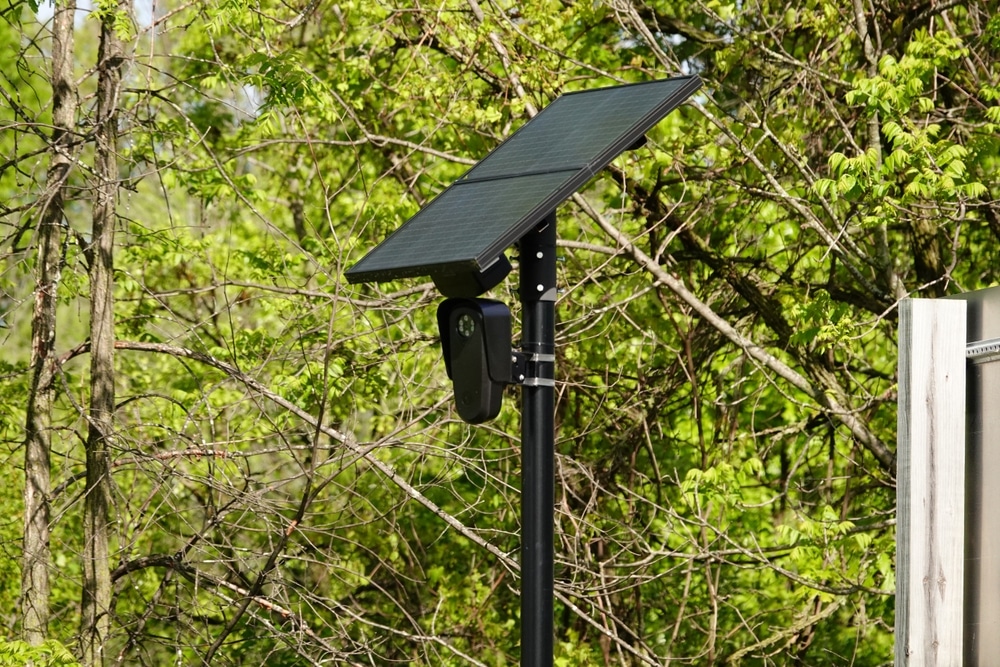
The Federal Bureau of Investigation published a Request for Proposals on May 14 seeking near real-time access to automated license plate reader (ALPR) networks across the United States and its territories, with contracts worth up to $36 million, even as house committee members ultimately blocked a bipartisan amendment aiming to ban the technology for non-tolling purposes.
The RFP, filed by the FBI’s Directorate of Intelligence, would let agents query vehicle location data through a Software-as-a-Service (SaaS) platform by plate number, vehicle description, and geolocation. Coverage must reach 75% of locations across six regions, including Alaska, Hawaii, Puerto Rico, and territories such as Guam and the U.S. Virgin Islands, with contracts lasting up to five years.
Flock Safety and Motorola Solutions are the most likely bidders. Flock operates over 80,000 ALPR cameras serving more than 12,000 total customers across law enforcement and private sectors. Motorola Solutions, through its Vigilant division, maintains a database of billions of plate scans from police fleets and private repossession contractors.
Flock says all federal access is controlled by local agencies. “Flock data belongs to the agency that owns the cameras. There is no backdoor into Flock. Any access is explicitly permission-based and opt-in by the local agency,” the company stated.
A direct legislative challenge emerged on May 20. According to Wired, lawmakers introduced a bipartisan House amendment at a committee markup that would bar any entity receiving federal highway funding from deploying ALPRs for non-tolling purposes. If passed, the measure would effectively end state and local ALPR programs and dismantle the commercial networks the FBI is seeking to access.
State law adds further constraints. California prohibits local agencies from sharing ALPR data with federal law enforcement, a restriction the Electronic Frontier Foundation (EFF) reported in January 2024 that dozens of California agencies had already violated. Virginia enacted similar limits last year.






My town and the Outlets in it purchased Flock LPR in 2024. They caught a BOLO the same day with the Outlet LPR. Too many unregistered (…and uninsured) motorists driving (speeding) through our Town. Who pays if they have an accident with you. Your insurance! They walk away with a ticket to court that they don’t attend. LPRs save lives and property costs. The phone in your pocket tracks you better than a LPR (and knows more about you) than a LPR or red light reader will ever know!
Citizen’s must demand the shuttering of these intrusive and borderline illegal violations to the Fourth Amendment. Also, demand that Congress refuse funding this move, and should also demand the closure of the company.
Amen. Cat Boys Institute as it now is reminds me fo the GESTAPO.