
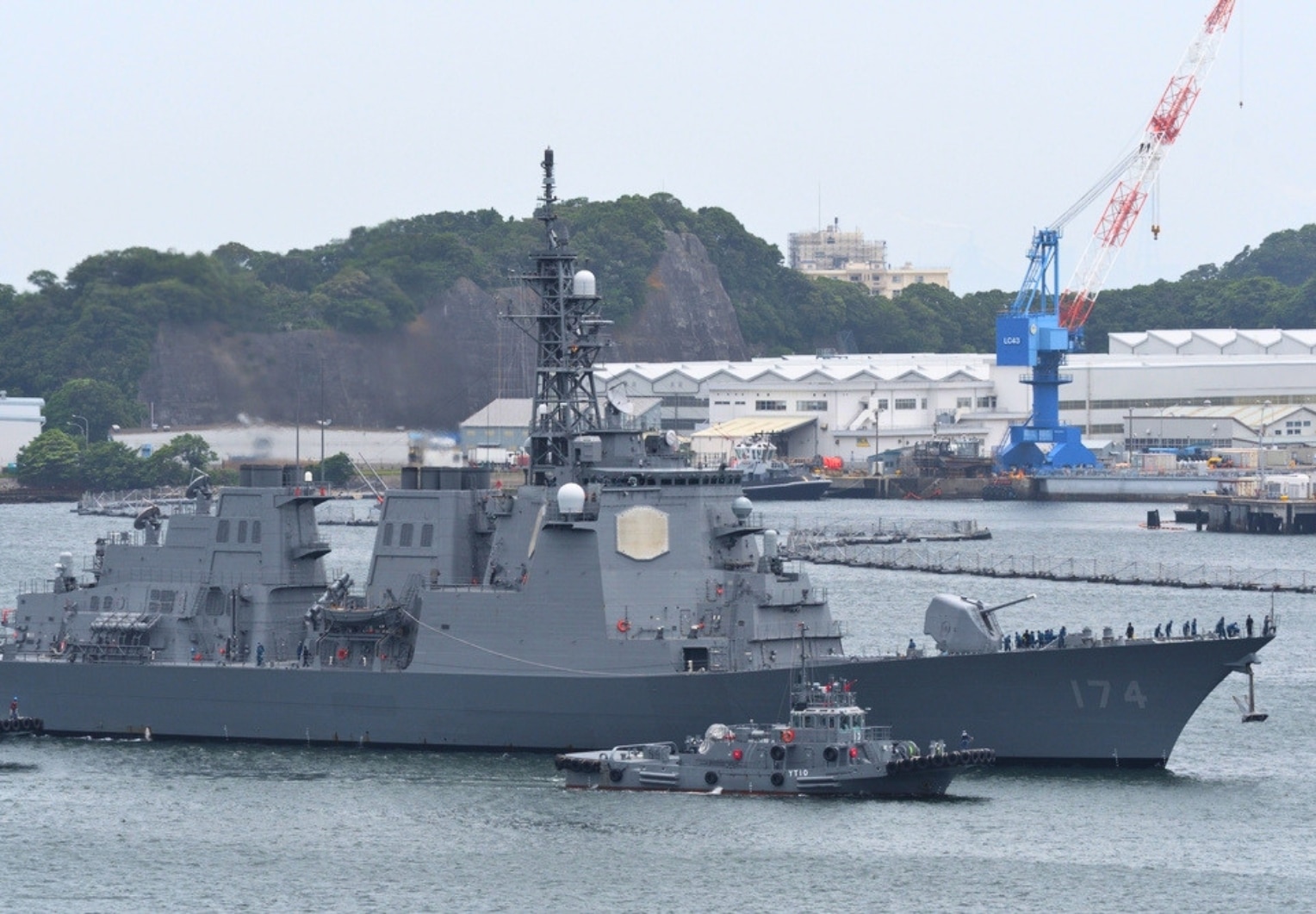
Japan on Tuesday lifted its longstanding ban on exporting lethal weapons as it strengthens defense ties with partner countries amid growing concerns over Chinese and North Korean aggression.
The new guideline allows Japan to export lethal weapons, including Japanese-developed warships, fighter jets, missiles, and other military equipment, to 17 countries with which it has signed defense equipment and technology transfer agreements with, including the U.S., U.K., Australia and India.
Any such exports will require approval from Japan’s National Security Council (NSC), and the government will monitor how the weapons are handled after delivery.
Japan has long restricted most arms exports under its post-World War II pacifist constitution. It has recently eased some of these limits amid rising global and regional tensions, but exports were still confined to five nonlethal categories, including mine countermeasures systems, surveillance, transport and rescue equipment.
According to reports, transfers of lethal arms to countries involved in active conflicts remain prohibited except in “exceptional circumstances,” such as cases involving armed aggression. Any such transfers will require approval from the NSC.
本日、「防衛装備移転三原則」とその「運用指針」を改正しました。
これまで国産完成品の海外移転は、救難・輸送・警戒・監視・掃海(いわゆる「5類型」)に限定していましたが、今回の改正により、原則として全ての防衛装備品の移転が可能となります。…
— 高市早苗 (@takaichi_sanae) April 21, 2026
“In an increasingly severe security environment, no single country can now protect its own peace and security alone, and partner countries that support each other in terms of defense equipment are necessary,” Prime Minister Sanae Takaichi wrote on X.
“Carrying out transfers of defense equipment will contribute to enhancing the defense capabilities of these countries and, ultimately, [prevent] the outbreak of conflicts, thereby contributing to Japan’s security,” she added.
Takaichi said Japan will comply with international export control frameworks and carry out stricter, case-by-case reviews when transferring defense equipment. She added that the government will ensure proper management by recipient countries and limit exports to nations that commit to using the equipment in accordance with the UN Charter.
“There is absolutely no change in our commitment to upholding the path and fundamental principles we have followed as a peace-loving nation for over 80 years since the war,” Takaichi said. “Under the new system, we will strategically promote equipment transfers while making even more rigorous and cautious judgments on whether transfers are permissible.”
Japan’s decision comes as it expands defense ties across the Indo-Pacific. The country recently signed contracts with Australia to supply 11 upgraded Mogami-class frigates.
Japan’s Self-Defence Forces also took part for the first time in the annual U.S.-Philippines Balikatan military exercises held this month.
The policy change has been welcomed by Japan’s defense partners, including the U.S.
防衛装備品・技術の輸出に関する日本の改定されたルールは、インド太平洋の安全と安定に大きく寄与します。この歴史的な一歩により、日米同盟と連携する各国の防衛能力が向上するだけでなく、地域全体の平和を維持し、自由を守るわれわれ共同の能力が、より一層強固なものとなるのです。 https://t.co/srKfiILXbv
— ジョージ・グラス駐日米国大使 (@USAmbJapan) April 21, 2026
“This historic step will not only enhance the defense capabilities of countries collaborating with the Japan-U.S. alliance but also strengthen our collective capacity to maintain peace throughout the region and safeguard freedom even further,” U.S. Ambassador to Japan George Glass wrote on X.
Meanwhile, China has said it is “seriously concerned” about what it described as Japan’s “reckless militarization.”
“China will remain highly vigilant and resolutely opposed [to the move],” Beijing’s foreign ministry said during a media briefing on Tuesday.