The U.S. War Department has confirmed that adversaries have used commercially available location data to track and surveil U.S. military personnel in active theaters.
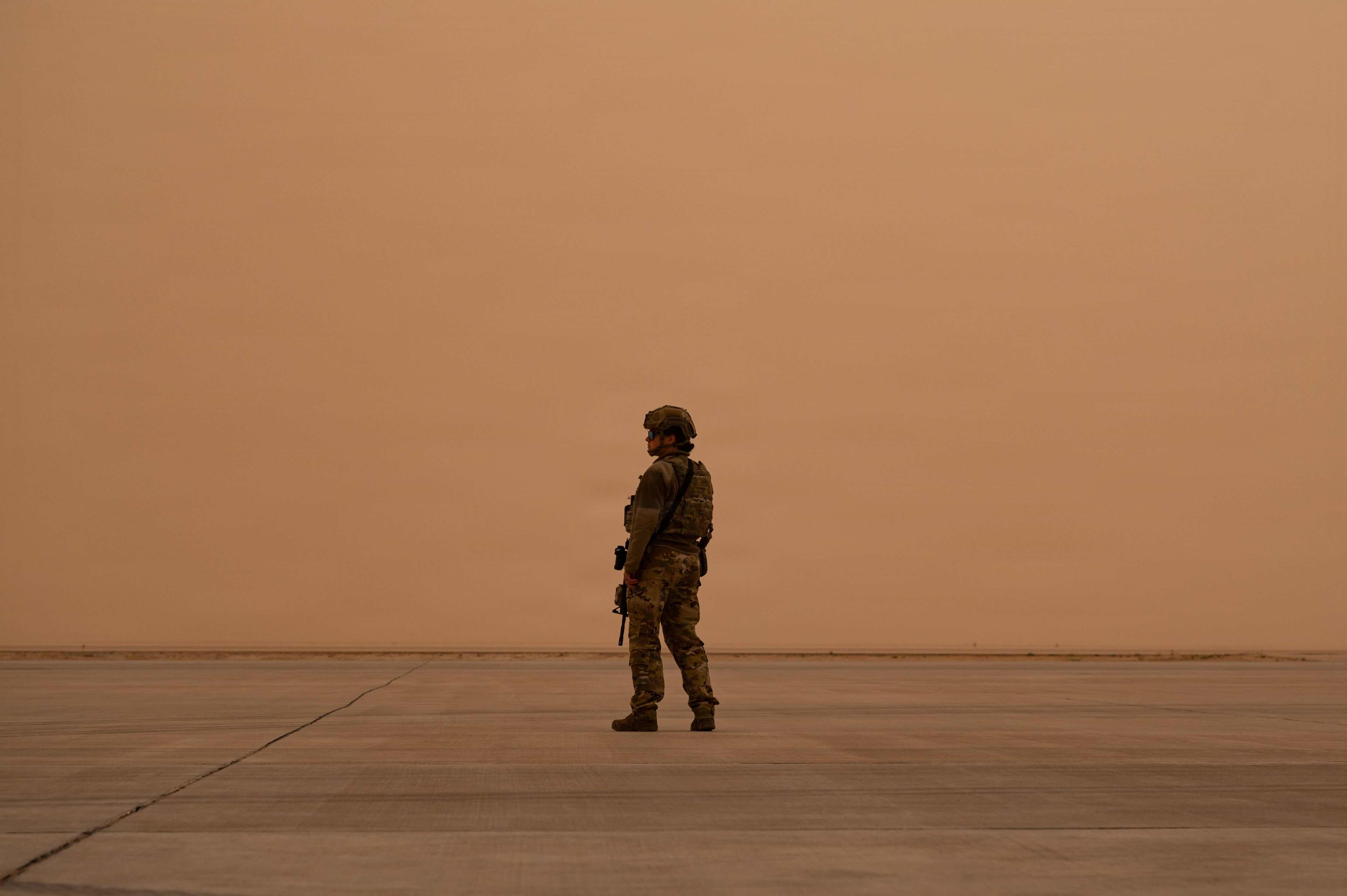
In a letter from Sen. Ron Wyden to the Pentagon that was shared with the media, the U.S. Central Command (CENTCOM) said it was aware that hostile actors were exploiting such data to monitor American troops deployed overseas.
“USCENTCOM has received multiple threat reports concerning adversary exploitation of commercial location data to target or surveil U.S. personnel in theater,” the letter reads.
CENTCOM’s confirmation marks the first official acknowledgment that U.S. forces in active war zones have been targeted using commercially obtained location data.
The letter did not include specific incidents or locations, and the War Department has not yet commented on the matter. CENTCOM’s area of responsibility spans the Middle East, parts of North Africa, and Central and South Asia. It also includes the Gulf region, where U.S. forces have been operating amid ongoing tensions with Iran.
Location data is routinely collected by mobile apps, websites, and digital advertising systems, then aggregated and sold by data brokers operating through complex commercial networks. Governments and private entities have purchased such data in the past, often without warrants.
The practice has drawn increasing scrutiny from security experts, who warn that the data can be used to track individuals’ movements.
In the letter, CENTCOM also confirmed that U.S. military personnel are permitted to use personal phones during operations, though guidance exists on how to disable geolocation features.
CENTCOM said the guidance directs personnel to disable geolocation functionality when not needed, periodically review device and application privacy settings, and limit public sharing of information.
“The guidance notes that disabling geolocation capabilities does not always fully disable them on commercial products, requiring personnel to implement comprehensive device security measures, including privacy setting reviews,” it added.
Legislators are demanding the Pentagon disable advertising IDs on military-issued devices and restrict Chrome browser use, warning that the data broker industry has created a pipeline for adversaries to track troop movements. Wyden said in a statement that it was time to treat the adtech industry as a “national security threat.”
The concerns echo earlier warnings from senior military officials about cellphone use. Gen. Eric Smith, commandant of the U.S. Marine Corps, has previously cautioned that careless phone use can expose troops’ locations and potentially make them targets for enemy forces.
A video shared by the U.S. Marines in March 2025 warned that using cellphones in combat zones can have deadly consequences.
Our adversaries are always watching, waiting to exploit any mistake.
Every text, post, and interaction can place your unit at risk.
What appears harmless can compromise a unit, exposing its position and purpose. #Marines, it’s your responsibility to protect the mission. pic.twitter.com/s2JIRvvami
— U.S. Marines (@USMC) March 17, 2025
The video depicted a Marine who, after escaping enemy fire, took shelter in an abandoned building. He then used his phone to text for help and share his location. The communications were intercepted, exposing the troops’ position.
As fellow Marines moved in to extract him, an enemy strike hit the site, resulting in fatalities.