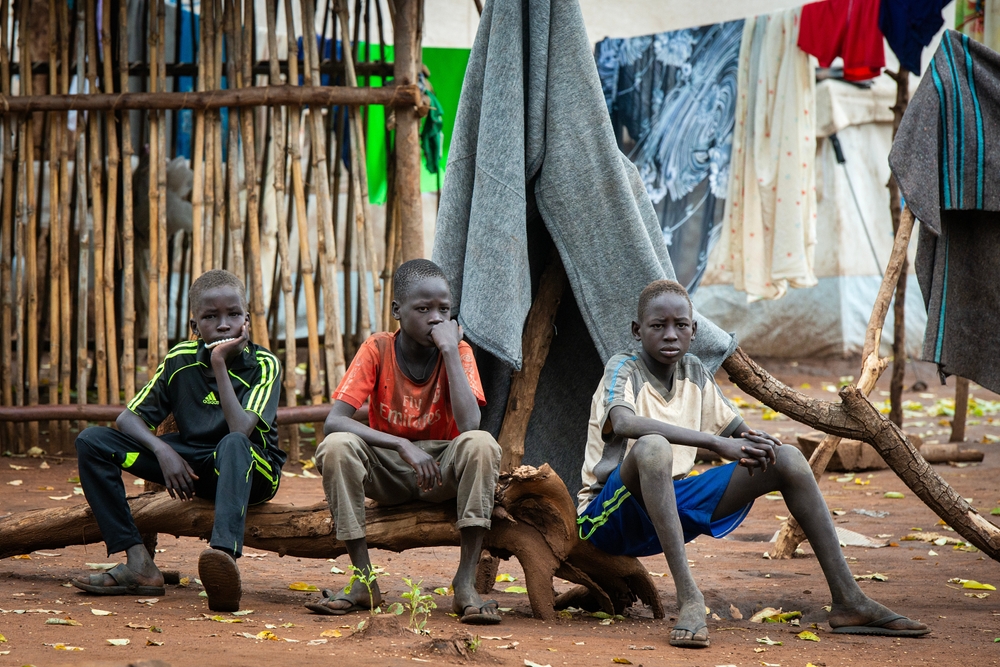
United Nations investigators have accused South Sudan’s leaders of stealing billions in public funds while most citizens face severe hunger and lack basic services.
A report released Tuesday by the U.N. Commission on Human Rights in South Sudan said the country’s political elite has diverted both oil and non-oil revenues since independence in 2011, leaving critical services to international donors.
“The country has been captured by a predatory elite that has institutionalised the systematic looting of the nation’s wealth for private gain,” said the commission, which was created in 2016 by the U.N. Human Rights Council.
The two-year investigation found that of the $25.2 billion in oil revenue collected since independence, large portions were lost to off-budget spending and fraudulent contracts.
One example cited was $1.7 billion paid between 2021 and 2024 to companies linked to Vice President Benjamin Bol Mel for road projects that were never completed. The commission said 95% of the planned work under the oil-for-roads program remains unfinished.
“While a small group of powerful actors pillage and loot the country’s wealth and resources, enriching themselves, the state has effectively abdicated its sovereign responsibilities to its population, outsourcing critical services, such as the provision of food, health care, and education to international donors,” the report said. “Corruption is killing South Sudanese,” it added.
In response to the findings, the commission issued 54 recommendations, urging reforms to end corruption and to prioritize citizens’ needs.
Meanwhile, government officials rejected the findings. Information Minister Michael Makuei Lueth said Juba had not officially received the report and dismissed it as “written in hotel rooms.”
The report comes as South Sudan’s fragile peace agreement faces renewed strain. On Sept. 11, prosecutors charged First Vice President Riek Machar with murder, treason, and crimes against humanity over militia attacks in March.
Concerns remain that civil war could flare up again, given the ongoing rivalry between Machar and President Salva Kiir.
South Sudan descended into civil war in 2013 after Kiir accused his former deputy, Machar, of plotting a coup. The conflict killed an estimated 400,000 people and displaced a third of the population before a 2018 peace deal established a unity government.
Machar was reinstated as First Vice President in February 2020 following the formation of the Revitalized Transitional Government of National Unity under the 2018 agreement.