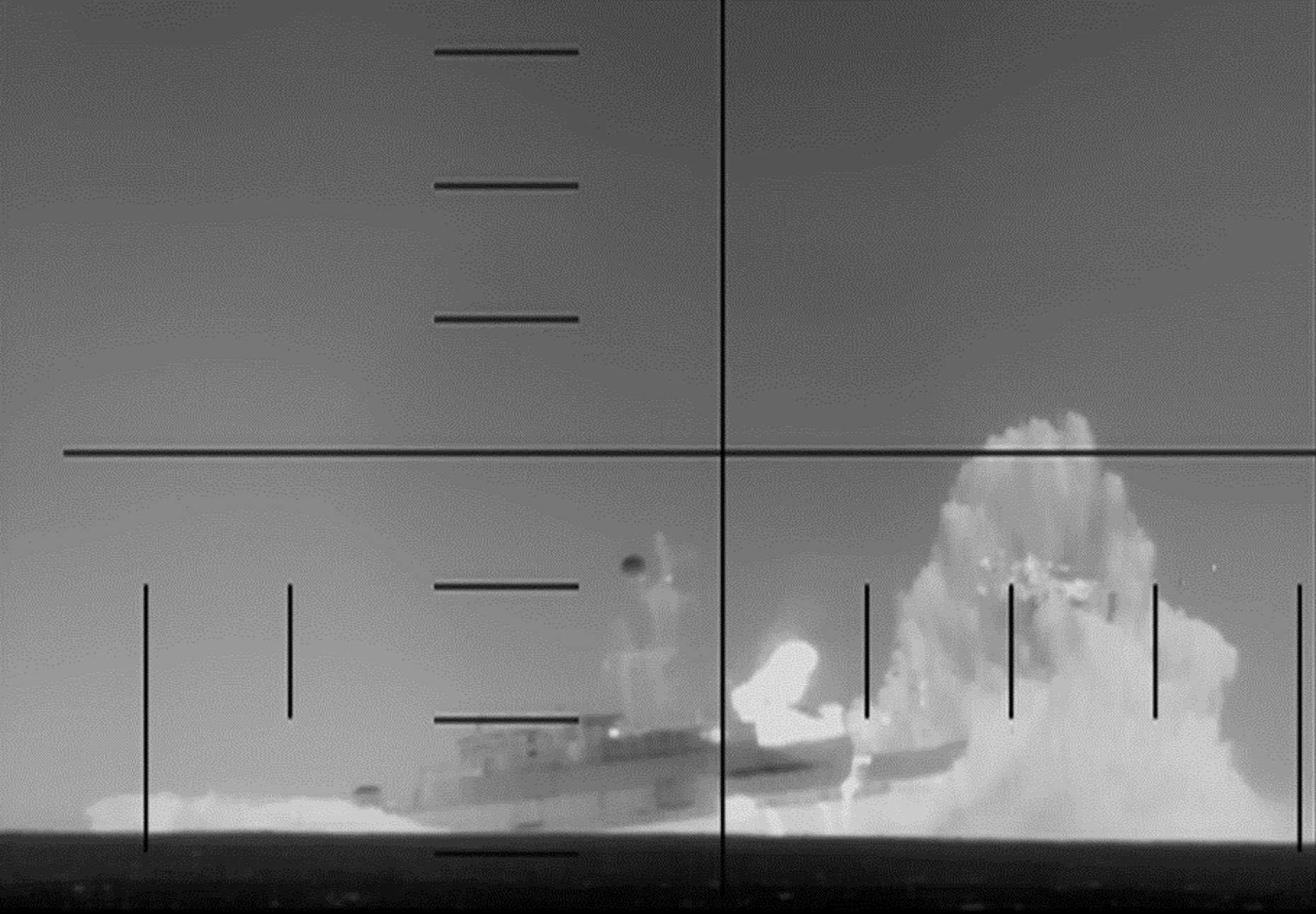
A U.S. Navy submarine sank an Iranian frigate with a single torpedo as it transited the Indian Ocean, the Pentagon said Wednesday. The strike occurred on Tuesday night amid the ongoing U.S.-Israeli campaign against Iran.
According to officials, the U.S. submarine targeted the Iranian frigate IRIS Dena while it was operating in international waters, roughly 40 nautical miles south of Galle, Sri Lanka.
The Pentagon said the attack marks the first sinking of an enemy ship by a torpedo since World War II. “It was sunk by a torpedo — quiet death,” War Secretary Pete Hegseth said. “We’re just getting started.”
“For the first time since 1945, a United States Navy fast attack submarine has sunk an enemy combatant ship using a single Mk-48 torpedo to achieve immediate effect, sending the warship to the bottom of the sea,” Chairman of the Joint Chiefs of Staff Gen. Dan Caine said.
https://t.co/PiqQpVIrMu pic.twitter.com/Wc1e0B0um7
— Department of War 🇺🇸 (@DeptofWar) March 4, 2026
Sri Lanka’s navy later confirmed it responded to a distress call from the Dena. “We found people floating on the water,” Cmdr. Buddhika Sampath told reporters. The Sri Lankan navy said it had recovered 87 bodies and rescued 32 survivors from the wreckage.
Sri Lankan Foreign Minister Vijitha Herath said 180 people were aboard the Iranian ship at the time of the attack.
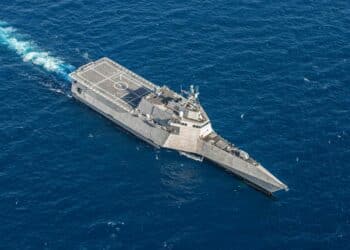
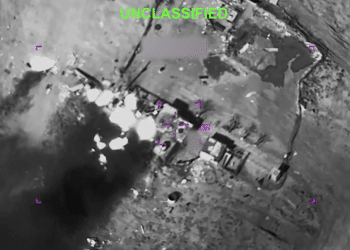
According to Caine, U.S. forces have so far struck more than 2,000 targets across Iran and destroyed over 20 of the Islamic Republic’s naval vessels, including a Jamaran-class corvette, the drone carrier IRIS Shahid Bagheri, and a Soleimani-class warship.
U.S. forces have struck or sunk to the bottom of the ocean more than 20 ships from the Iranian regime. Last night, CENTCOM added a Soleimani-class warship to the list. pic.twitter.com/KgW8cS726P
— U.S. Central Command (@CENTCOM) March 4, 2026
The campaign has “effectively neutralized, at this point in time, Iran’s major naval presence in theater,” he said.
Strikes on infrastructure and naval assets by the large U.S. force assembled in the region are expected to continue over the next 24 to 48 hours, Caine said.