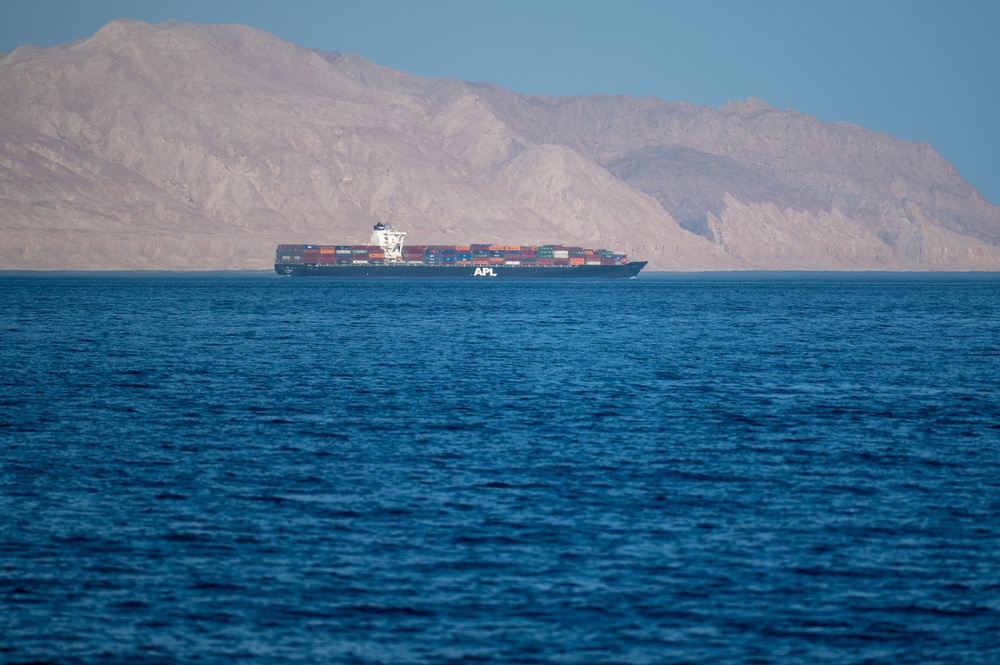
U.S. Central Command (CENTCOM) reimposed a naval blockade against Iranian ports on July 14 at 4 p.m. ET. Iran’s attacks on commercial shipping in the Strait of Hormuz effectively ended a June ceasefire agreement and drew more than 20 U.S. Navy warships into enforcement.
U.S. forces resumed the naval blockade against vessels transiting to and from Iranian ports and coastal areas today at 4 p.m. ET.
There are currently more than 20 U.S. Navy warships and hundreds of military aircraft operating across the Middle East. American forces remain… pic.twitter.com/ATRJHlLQNo
— U.S. Central Command (@CENTCOM) July 14, 2026
President Donald Trump reversed course on a proposed 20% transit fee the same day, announcing on Truth Social that the strait is “open to ALL Ship traffic except for Iran,” with the blockade targeting only ships calling at Iranian ports or carrying Iranian cargo.
Trade and investment deals with Gulf states will replace the transit fee, a reversal Trump announced just 24 hours after first proposing the toll.
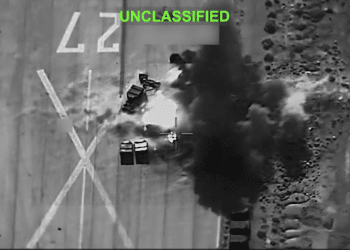
CENTCOM completed its fourth consecutive day of strikes on Iran Tuesday, targeting assets the command said were being used to threaten “innocent civilians and commercial shipping.” Iranian state media reported explosions near Bandar Abbas and Sirik.
NEW: Iran has attacked at least three commercial vessels in the Strait of Hormuz in the past 24 hours, which indicates that Iran retains the ability and willingness to attack commercial shipping despite recent US strikes on Iran.
US Central Command (CENTCOM) announced on July 13… pic.twitter.com/J7woxG66jR
— Institute for the Study of War (@TheStudyofWar) July 15, 2026
Earlier Tuesday, Iran attacked two UAE-flagged tankers in the strait and struck U.S. military installations in Bahrain and Kuwait. The Islamic Revolutionary Guard Corps (IRGC) said it carried out the tanker strikes, which killed one mariner and wounded eight others, AP reported.
Trump threatened further escalation in a Fox News interview Tuesday. “Next week it gets really bad for them because next week comes the power plants. Next week comes the bridges,” he said.
The blockade was first imposed in mid-April after nuclear talks collapsed. It was then lifted in mid-June following the signing of a 14-point ceasefire memorandum. That agreement set a 60-day window for nuclear negotiations, which have since stalled.
“They want to make a deal, but every time they make a deal, they break it,” Trump said.