The U.S. Africa Command (AFRICOM) said American and Nigerian forces carried out additional airstrikes against ISIS fighters in northeastern Nigeria over the weekend, days after a joint operation killed a senior ISIS leader in the region.
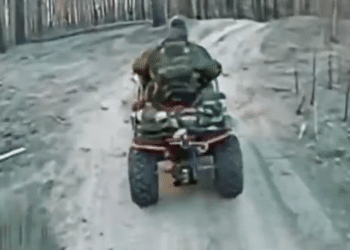
AFRICOM said the strikes were conducted Sunday in coordination with the Nigerian government. Footage released by the command appeared to show black-and-white overhead video of airstrikes targeting several individuals riding bicycles.
#AFRICOM, in continued coordination with Nigeria, conducted kinetic strikes against ISIS fighters in NE Nigeria on May 17. No U.S. or Nigerian forces were harmed.
Full press release: https://t.co/7xuos8L1MK#AFRICOM #Nigeria #CounterTerrorism pic.twitter.com/qK8pyky7od
— U.S. Africa Command (AFRICOM) (@USAfricaCommand) May 18, 2026
“Intelligence confirmed the targets were ISIS militants. Complete assessments are ongoing. No U.S. or Nigerian forces were harmed,” AFRICOM added.
The Nigerian military said the raid was the “continuation of coordinated operations against ISIS militants” across Nigeria’s restive northeast region.
“Following observed convergence and migration of terrorist elements, multiple air strikes were conducted resulting in the elimination of more than 20 ISIS/ISWAP (Islamic State West Africa Province) fighters,” the Nigerian Defence Headquarters said in a statement.
The latest strikes followed a separate joint U.S.-Nigerian operation that killed Abu-Bilal al-Minuki, described by Nigerian officials as ISIS’s second-in-command globally and a key leader of ISWAP.
Last night’s operation targeted a significant presence of ISIS fighters in Northeastern Nigeria eliminating multiple high value individuals including Abu-Bilal al-Minuki. pic.twitter.com/lNj4AMSITH
— U.S. Africa Command (AFRICOM) (@USAfricaCommand) May 16, 2026
An intelligence source told AFP that “given the high-profile status of al-Manuki there is the high possibility of escalation of attacks from ISWAP against Nigerian military bases to avenge his death.”
Nigeria has been fighting several armed groups, including two ISIS-linked factions: the ISWAP, a Boko Haram splinter group active in the northeast, and the Islamic State Sahel Province in the northwest. The country also continues to grapple with widespread banditry and kidnappings across its northern regions.
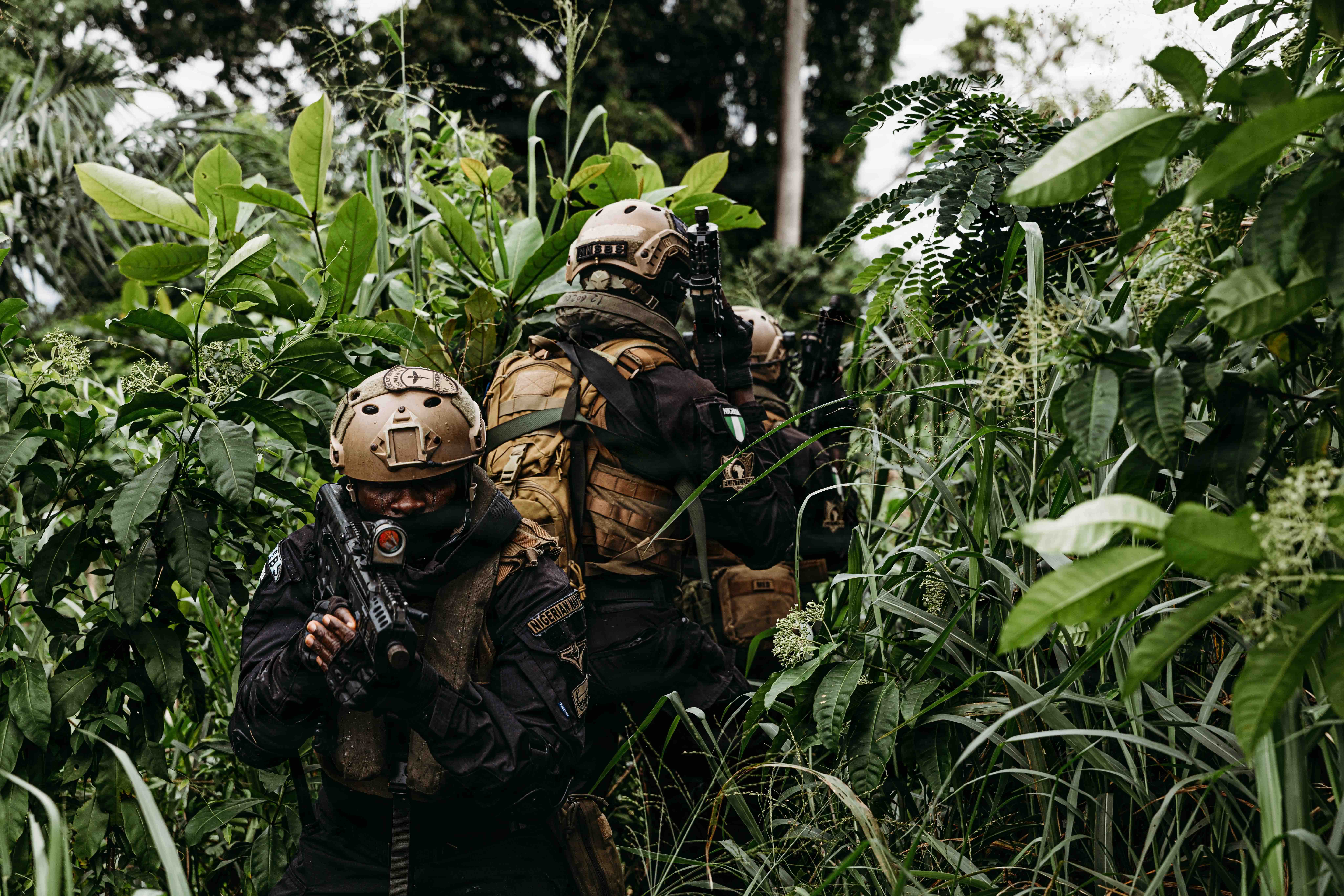
In February, Washington deployed about 100 troops to Nigeria at the request of the Nigerian government to help combat Islamic militants and other armed groups.
The Nigerian military said the U.S. role is limited to training troops, as well as providing technical support and intelligence-sharing. Maj. Gen. Samaila Uba, spokesman for Nigeria’s Defense Headquarters, said U.S. troops “won’t engage in combat or have a direct operational role.”