U.S. forces struck Iranian anti-ship missile sites near the Strait of Hormuz on Tuesday using 5,000-pound bunker-buster bombs, U.S. Central Command (CENTCOM) said.
“Hours ago, U.S. forces successfully employed multiple 5,000-pound deep penetrator munitions on hardened Iranian missile sites along Iran’s coastline near the Strait of Hormuz,” CENTCOM said in a post on X Tuesday evening.
“The Iranian anti-ship cruise missiles in these sites posed a risk to international shipping in the strait,” CENTCOM added.
Hours ago, U.S. forces successfully employed multiple 5,000-pound deep penetrator munitions on hardened Iranian missile sites along Iran’s coastline near the Strait of Hormuz. The Iranian anti-ship cruise missiles in these sites posed a risk to international shipping in the… pic.twitter.com/hgCSFH0cqO
— U.S. Central Command (@CENTCOM) March 17, 2026
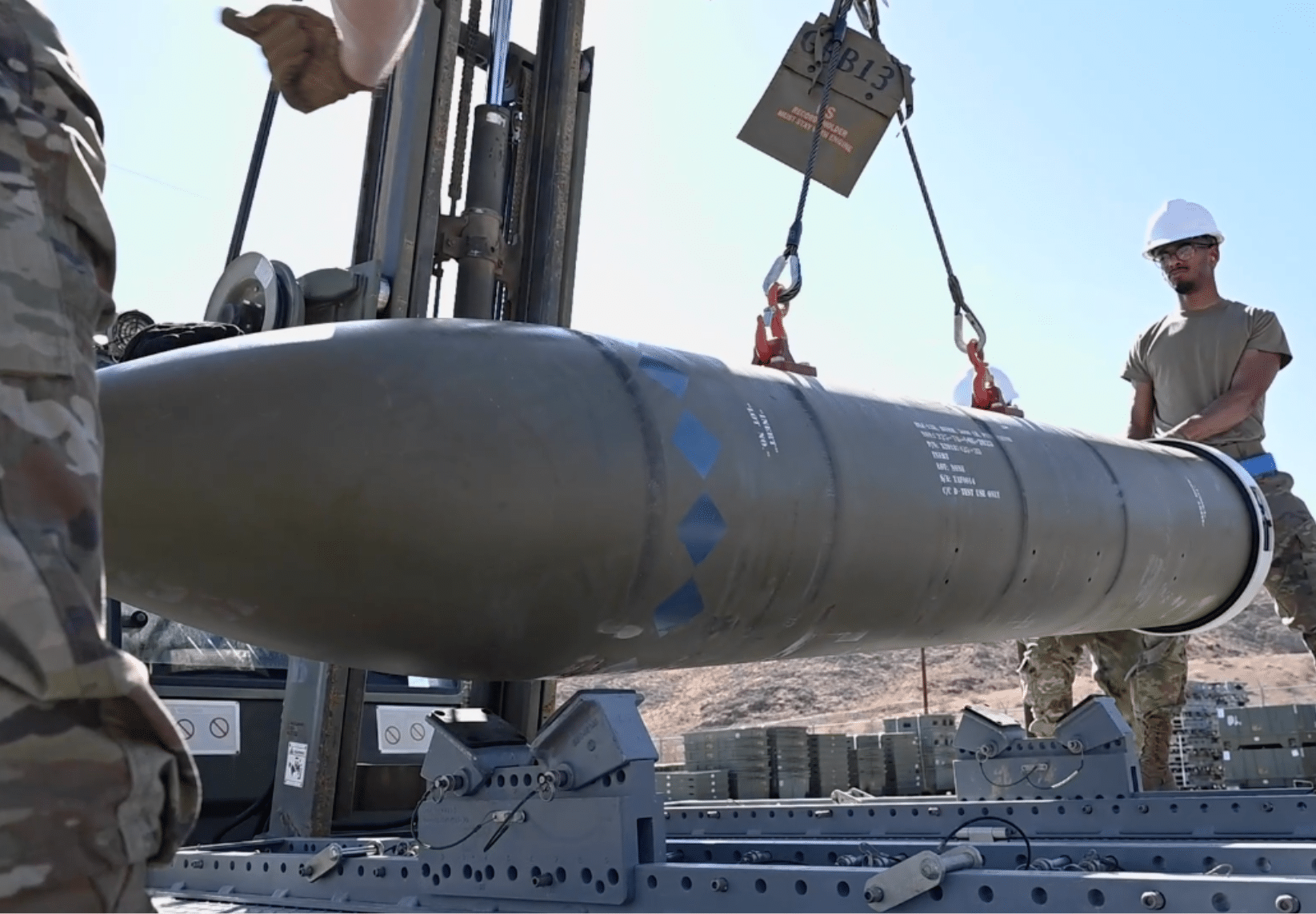
A U.S. official told CNN that the bombs used were GBU-72 Advanced 5K Penetrators, first deployed in 2021. Each GBU-72/B reportedly carries a 4,422-pound penetrating warhead, including more than 1,000 pounds of explosives, and features GPS-assisted guidance.
The bombs are designed to penetrate fortified targets before detonating. According to some reports, this may be the first combat use of the GBU-72/B.
Most shipping traffic through the Strait of Hormuz, which carries roughly one-fifth of the world’s crude oil, has been halted since early March amid the ongoing Middle East conflict, pushing oil prices above $100 per barrel.
According to Lloyd’s List Intelligence, at least 89 ships, including 16 oil tankers passed through the Strait of Hormuz between March 1 and 15. Before the war, daily traffic ranged from roughly 100 to 135 vessels.
About 20 vessels have been attacked in the area since the start of the U.S.-Iran conflict. Last week, U.S. forces reported that they destroyed 16 Iranian mine-laying vessels near the Strait of Hormuz after receiving intelligence that Tehran had begun deploying mines there.
Satellite imagery of the Persian Gulf reveals a growing backlog of ships anchored outside the Strait of Hormuz, waiting to avoid potential missile attacks.
🚢 Radar satellite imagery from the 15th of March shows large clusters of ships waiting outside parts of Iran, UAE, and Oman, not passing through the Strait of Hormuz.
Use the slider to compare here: https://t.co/OBdFHuYuzf#StraitofHormuz #IranIsraelWar #MiddleEast pic.twitter.com/sgtarKeZU8
— Soar (@SoarAtlas) March 17, 2026
As crude oil prices surged, President Donald Trump urged allies and trade partners to deploy warships and help reopen the Strait of Hormuz in an effort to lower prices. So far, no nations have committed to assist.
“I think NATO’s making a very foolish mistake,” Trump said Tuesday when asked about getting America’s allies to help escort oil tankers through the Strait of Hormuz. “And I’ve long said that, you know, I wonder whether or not NATO would ever be there for us.”
“So this was a great test because we don’t need them, but they should have been there,” Trump added.
The U.S. is reportedly weighing a ground operation on Kharg Island, Iran’s main oil export terminal about 300 miles northwest of the Strait of Hormuz, to secure control of the strategic waterway. Over the weekend, U.S. forces struck more than 90 military targets on the island while leaving critical oil infrastructure intact.