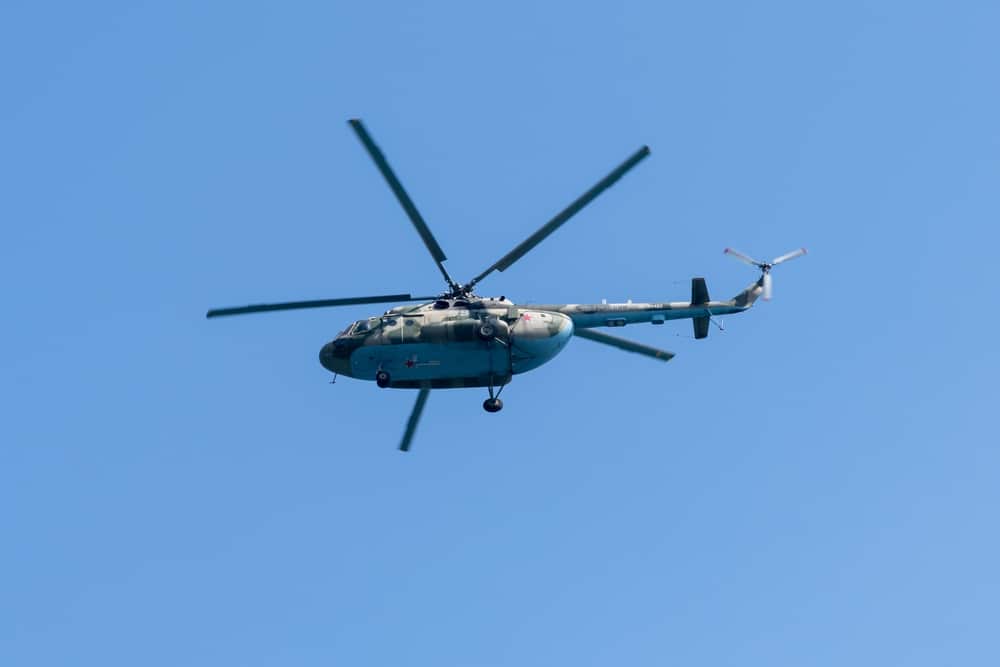
A Russian military helicopter was shot down near Wabaria in the Gao region of Mali on April 25, killing the crew and a mobile fire group, as the Azawad Liberation Front (FLA) and al-Qaeda affiliate Jama’at Nusrat al-Islam wal-Muslimin (JNIM) struck targets simultaneously across the country.
The aircraft was a Mi-8AMTSh, a transport and assault helicopter, operated by Russia’s Africa Corps, a Ministry of Defense-run force that replaced Wagner Group operations in Mali in 2025.
Russian aviation blogger Ilya Tumanov, who runs the Fighterbomber Telegram channel, reported the helicopter was likely downed by “external fire damage,” consistent with a surface-to-air missile. The Russian Ministry of Defense issued no official acknowledgment.
👀 Russian helicopter was shot down during major attacks in Mali, killing the crew.
The assault, claimed by jihadist and Tuareg groups, targeted areas tied to Mali’s junta and Russian mercenary presence. pic.twitter.com/8Io1ECzQb8
— UNITED24 Media (@United24media) April 26, 2026
Strikes hit Bamako, the Kati military base, Kidal, Gao, and Sevare simultaneously in what Ulf Laessing, Sahel program director at the Konrad Adenauer Foundation, called “the biggest coordinated attack for years.”
Malian state TV confirmed Defense Minister General Sadio Camara died from wounds in an attack on his residence. Junta leader Assimi Goita had not appeared publicly by Monday.
Africa Corps confirmed its withdrawal from Kidal on April 27, calling it a joint decision with Malian leadership.
Analyst Paweł Wójcik reported rebels offered Africa Corps a safe passage corridor while the Malian army received no such arrangement. JNIM called on Russian forces to stand down in exchange for not being targeted and “a balanced and effective future relationship.”
“This is more proof that the Russians are ineffective and that they are able to cut deals,” said Wassim Nasr, a senior research fellow at The Soufan Center, adding the withdrawal would damage Africa Corps’ standing in Bamako.
“They are paying a lot of money for the Russian presence,” said Andrew Lebovich, a research fellow at the Clingendael Institute. “If this is the result, is it still a good investment?”