Rising oil prices driven by global supply disruptions linked to tensions in the Strait of Hormuz between the United States and Iran are fueling a surge in organized crude oil theft across the Permian Basin in West Texas and New Mexico, according to local reports.
Authorities estimate that millions of dollars worth of crude oil are stolen annually across the region, with some estimates placing statewide losses at nearly $1 billion each year.
“It’s like any other commodity,” Texas Railroad Commission Chairman Jim Wright told Texas Public Radio. “When the price is high, they just get sexier.”
A Bloomberg Businessweek report published in March said the Martin County Sheriff’s Office receives at least one report each week involving thefts from oil fields in the Permian Basin.
Martin County, located about 170 miles north of the Mexican border near the center of the basin, reportedly loses around 500 barrels of oil each week. Based on crude prices of roughly $110 per barrel at the time, the stolen oil would be worth about $50,000.
Howard County, located near the Permian Basin’s core oil hubs, including Midland and Odessa, has also reported significant losses. Howard County Sheriff Stan Parker said his county alone receives reports of “probably over a thousand, 1,500 barrels of oil reported stolen every month.”
The Permian Basin is the nation’s largest oil-producing region. According to the U.S. Energy Information Administration, it accounted for nearly half of all U.S. crude oil production in 2025, averaging about 6.6 million barrels per day.
Large amounts of oil have reportedly disappeared from the region over the years, prompting the FBI to establish a task force in 2008 to monitor the issue. In recent years, the group shifted its focus entirely to crude oil theft.
FBI data showed theft cases declined in 2025, a trend officials believe was linked to lower oil prices at the time.
More Sophisticated Operations
Authorities say the thefts have evolved far beyond isolated acts of oil rustling.
Criminal groups are now disguising tanker trucks to resemble legitimate oilfield service vehicles, allowing them to move through remote ranches and oil sites without attracting attention.
“They’re cloning these trucks,” Wright said. “They can take a truck and get a full load of oil and not be noticed.”
In March 2025, a pipeline exploded in Reeves County, Texas, after thieves allegedly attempted to tap into a pressurized pipeline.
“They cut into the pipeline and tried to tap directly into the main pipeline,” Tim Murphy of the Texas Department of Public Safety told the Texas House Energy Resources Committee. “It sparked and it blew. They blew up everything in the area, but the pipeline burned for several days.”
Recent federal cases also highlight the scale of some operations. In April 2026, federal prosecutors in North Texas announced indictments against 14 defendants from Texas and New Mexico in what authorities described as a major oil theft conspiracy in the Permian Basin.
Prosecutors alleged the group siphoned crude oil from producers in southeastern New Mexico before transporting it into Texas for resale.
Difficult Terrain for Law Enforcement
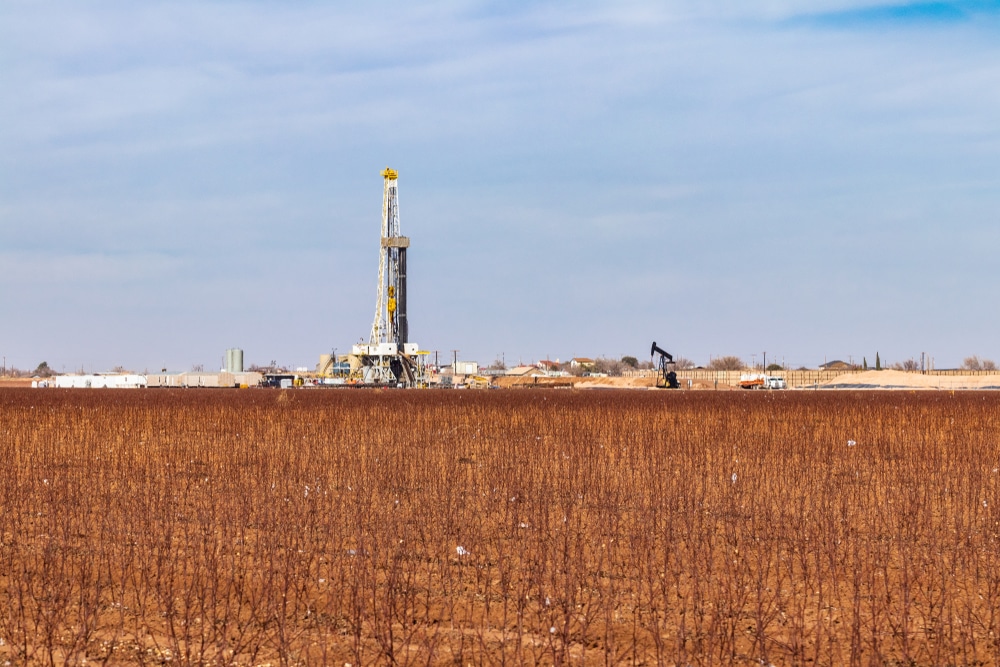
The remote and often unmanned nature of Permian Basin oil fields has made theft operations relatively easy for organized crews. Authorities say criminals can often access oil supplies, copper wiring, tools, and equipment with little risk of being seen entering or leaving the area.
Local law enforcement officials say policing the sprawling Permian Basin remains difficult because many deputies lack technical knowledge of oilfield operations and the manpower needed to patrol remote infrastructure.
“Our problem is we don’t know who’s supposed to be there and who’s not,” Parker said. “If I pulled up on a tank battery right now, I don’t know if you can be there or you’re not. I don’t know if you’re drawing water off of it. I don’t know if you’re pulling oil. It’s got very complicated.”
What This Means for Energy Markets and Consumers
Data from the Dallas Federal Reserve highlights the scale of the problem, with about 41% of oil and gas operators reporting theft-related disruptions over the past year. Among those affected, 61% cited crude oil theft, while 58% reported stolen piping, valves, and wiring, and 39% said equipment had been taken.
As losses mount and companies ramp up security spending, the issue is adding to broader cost pressures across the energy supply chain.
Analysts say these disruptions and added costs can ultimately be passed along the supply chain, with potential implications for fuel and energy prices.
What Lawmakers Are Doing
Texas lawmakers have moved to confront the rising wave of oilfield theft through new legislation aimed at strengthening oversight, enforcement, and inter-agency coordination. Last summer, the state approved measures designed to improve tracking systems and disrupt organized theft networks, including the creation of a state-level task force dedicated to oilfield crime.
In addition, Texas has stiffened criminal penalties for oilfield theft. Major offenses now carry prison sentences ranging from two years to life, depending on the value of stolen crude or equipment involved.
The Texas Railroad Commission, which regulates the state’s energy sector, is also conducting a separate study on crude oil theft. The report, expected in December, aims to provide a clearer picture of the scale of losses and the broader operational and financial impact on producers across the region.