The Pentagon signed agreements Friday with eight leading artificial intelligence companies to deploy their systems on the Defense Department’s most sensitive classified networks, clearing a major threshold in the military’s push to become what officials called an “AI-first fighting force.”
The Department of Defense confirmed agreements with Amazon Web Services, Google, Microsoft, OpenAI, SpaceX, NVIDIA, Reflection AI and Oracle to operate on its Impact Level 6 (IL6) and Impact Level 7 (IL7) network environments, the department’s top-tier classified tiers used for the most sensitive military operations.
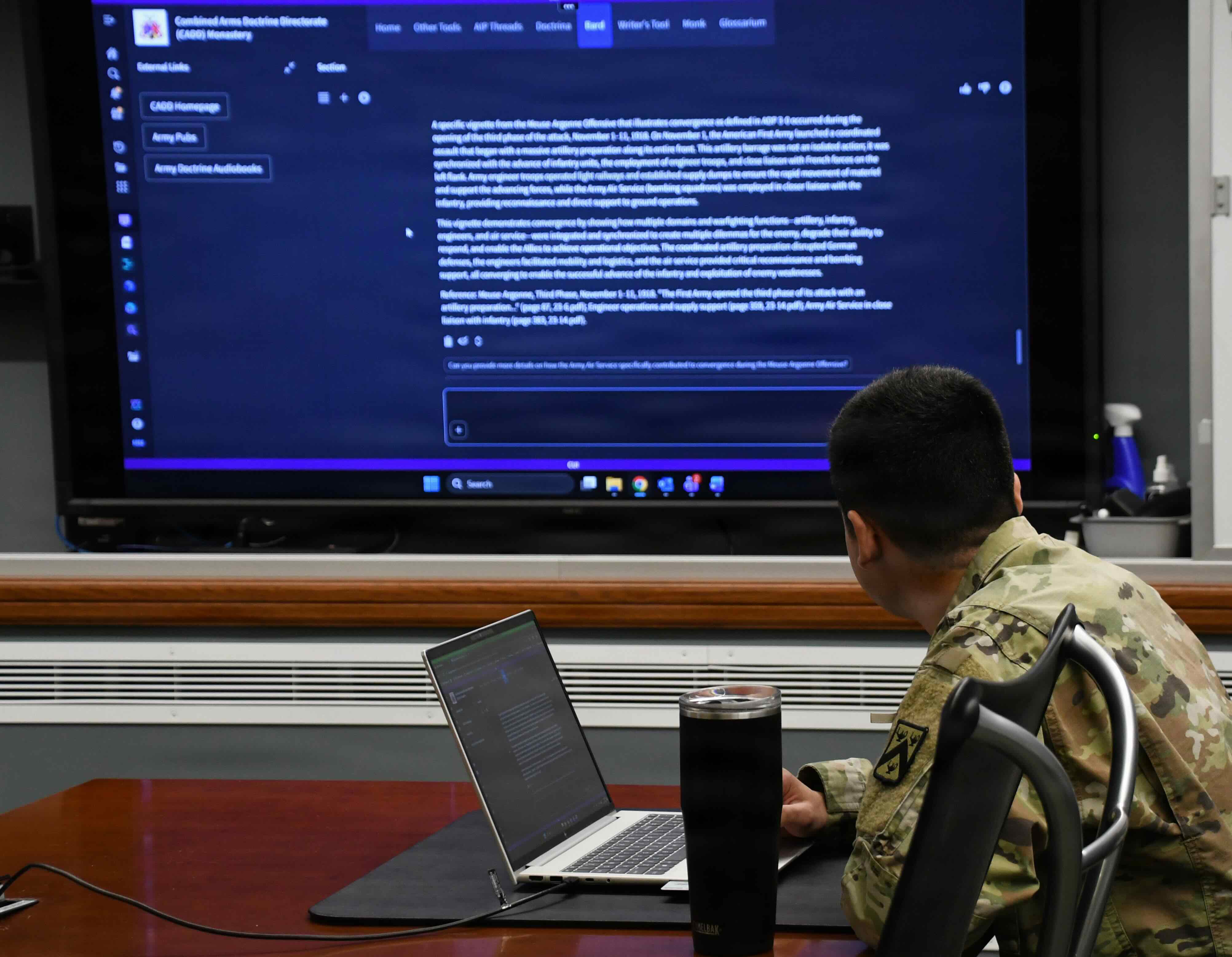
The deals extend GenAI.mil, the Pentagon’s AI platform launched in December 2025. The AI tools will support data synthesis, warfighter decision-making, and situational awareness across the joint force.
“These agreements accelerate the transformation toward establishing the United States military as an AI-first fighting force and will strengthen our warfighters’ ability to maintain decision superiority across all domains of warfare,” the Pentagon said in a statement posted to war.gov.
Pentagon Chief Technology Officer Emil Michael said the strategy prioritizes “diversity of supply” across multiple AI providers to prevent vendor lock and ensure long-term flexibility. The agreements include both proprietary and open-source models.
The initial announcement named seven firms. The Pentagon’s chief technology officer office later posted on X that Oracle had officially joined the list, bringing the total to eight.
One day before the Google signing, more than 600 Google employees published an open letter to CEO Sundar Pichai demanding the company reject the Pentagon contract.
“As people working on AI, we know that these systems can centralize power and that they do make mistakes,” the letter read “We feel that our proximity to this technology creates a responsibility to highlight and prevent its most unethical and dangerous uses.”
Anthropic, which had previously been the only AI company with a model deployed on the Pentagon’s classified network through Palantir’s Maven toolkit, was excluded from the new agreements.
The administration labeled Anthropic a “supply chain risk” in March after the company refused to remove safety guardrails restricting use of its models. Hegseth called Anthropic an “ideological lunatic who shouldn’t have sole decision-making” over military AI access.
Anthropic sued the Trump administration on March 9, 2026, accusing the government of an “unlawful campaign of retaliation.” That posture appeared to soften by April. Amodei met with White House Chief of Staff Susie Wiles and Treasury Secretary Scott Bessent on April 17, a meeting interpreted as a possible thawing, following reports of Anthropic’s unreleased Mythos model as a factor drawing renewed White House interest.
The announcement represents the largest coordinated deployment of commercial AI to classified military systems in U.S. history. The Pentagon said the agreements are intended to “accelerate the transformation toward establishing the United States military as an AI-first fighting force.”