An investigation by The New York Times reveals that U.S. Army Special Forces operators were accused of killing at least nine Afghan detainees in 2012, but were cleared of wrongdoing despite evidence suggesting their involvement.
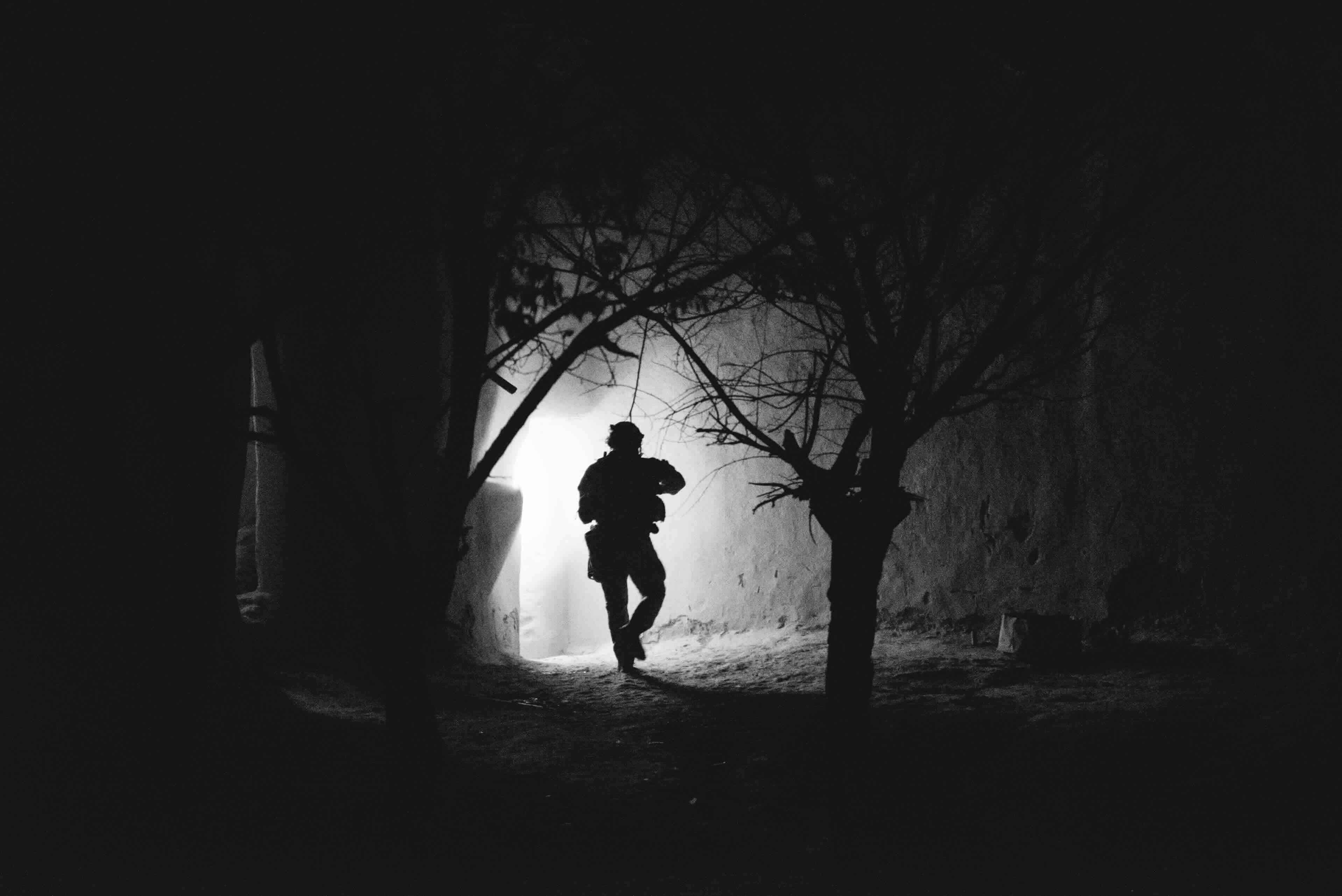
The report, published by journalist Matthieu Aikins, documents events at Combat Outpost Nerkh in Wardak Province, where members of Operational Detachment Alpha 3124 from the Third Special Forces Group’s First Battalion operated between September 2012 and March 2013.
According to the Times investigation, nine Afghan men detained by the Special Forces team disappeared during this period. Their remains were later discovered in shallow graves near the base after the unit departed in March 2013. The victims became known as the Nerkh Nine.
The Times reportedly obtained nearly 2,000 pages of military documents through a lawsuit, including investigation files, interview transcripts and detainee records. The newspaper also interviewed two dozen former Special Operations members and scores of Afghan witnesses over four years.
Two Afghan translators who worked with the team, identified as Zikria and Kazem, told the Times that they participated in detaining and interrogating suspects. Zikria stated he watched as Sgt. First Class David Kaiser and several Afghans beat one detainee, Sayid Mohammad, to death with wooden clubs. Mohammad’s body was later found in a black body bag near the base.
The translators described operating as part of an unofficial proxy force that conducted interrogations and disposed of bodies. They said team leaders including the captain, warrant officer and senior sergeants knew about the killings.
The Special Forces conducted three internal investigations in December 2012 while still deployed in Nerkh. All three cleared the team of misconduct. Investigators accepted the team’s claims that detainees were held by Afghan forces, not Americans, and dismissed abuse allegations as insurgent propaganda.
A separate nine-year criminal investigation closed in 2022 without charges.
Lt. Col. Allie Scott, a spokeswoman for Army Special Operations Command, told the Times the cases were “fully investigated and adjudicated” and that officials are “confident our actions stand up to the strictest scrutiny.”
Family members of the Nerkh Nine, who protested in Kabul in early 2013, said they were never informed about the outcome of investigations. President Hamid Karzai ordered Special Forces to halt operations in Wardak Province in February 2013 following the protests.