
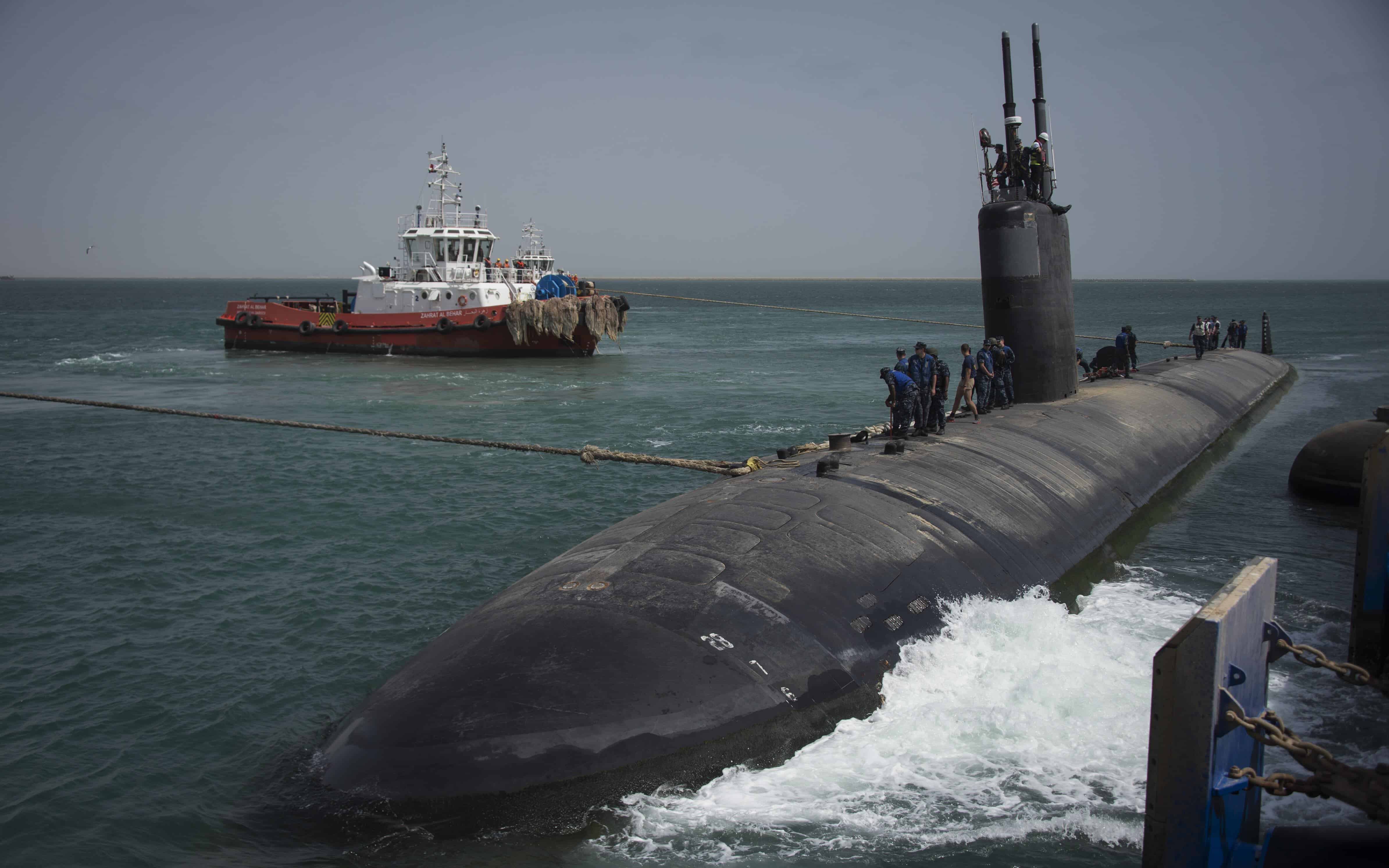
The U.S. Navy inactivated USS Boise (SSN-764) on Friday, abandoning a nuclear attack submarine that consumed nearly $800 million in taxpayer funds without completing a fifth of its scheduled overhaul.
The Los Angeles-class attack submarine last deployed in January 2015 and lost its dive certification in 2017, rendering it unable to legally submerge. Its overhaul has been delayed repeatedly since 2013, initially by shipyard capacity shortages and later by additional material and contract issues.
The numbers are difficult to defend. Huntington Ingalls Industries’ Newport News Shipbuilding began the overhaul in 2024 under a $1.17 billion contract, with work scheduled for completion in 2029. By the time the Navy pulled the plug, only 22 percent of that work was done.
Finishing the job would have required an additional $1.9 billion, bringing the total cost to nearly $3 billion for a 34-year-old submarine with roughly 20 percent of its service life remaining.
Navy Secretary John Phelan told Semafor the arithmetic was unambiguous. “We screwed up,” he said.
Chief of Naval Operations Adm. Daryl Caudle framed the decision in similar terms: “We owe it to our sailors and the nation to make these tough calls.”
The decision arrives as the Trump administration accelerates its “Golden Fleet” initiative, a broad naval expansion effort aimed at rebuilding U.S. fleet capacity after years of maintenance backlogs and shipyard constraints. Phelan said he is reviewing every program under that framework, and the Boise became an early casualty of that review.
Had the overhaul been completed as originally planned, the Boise would have spent more than one-third of its total service life in port rather than at sea, according to Navy figures. The submarine was commissioned in 1992.
The freed workforce and funding will shift toward Virginia-class attack submarines and Columbia-class ballistic missile submarines; both programs are already running behind their own production schedules. Whether redirecting resources from a stalled overhaul meaningfully accelerates those programs remains to be seen, as the shipyard workforce shortage that delayed the Boise in the first place has not been resolved.
Phelan has previously said that building the Golden Fleet will require hiring 250,000 additional workers over the next decade.
The Navy has not detailed the hull’s final disposition, but most decommissioned Los Angeles-class boats are routed to the Puget Sound Naval Shipyard in Bremerton, Washington, for nuclear defueling and dismantlement.