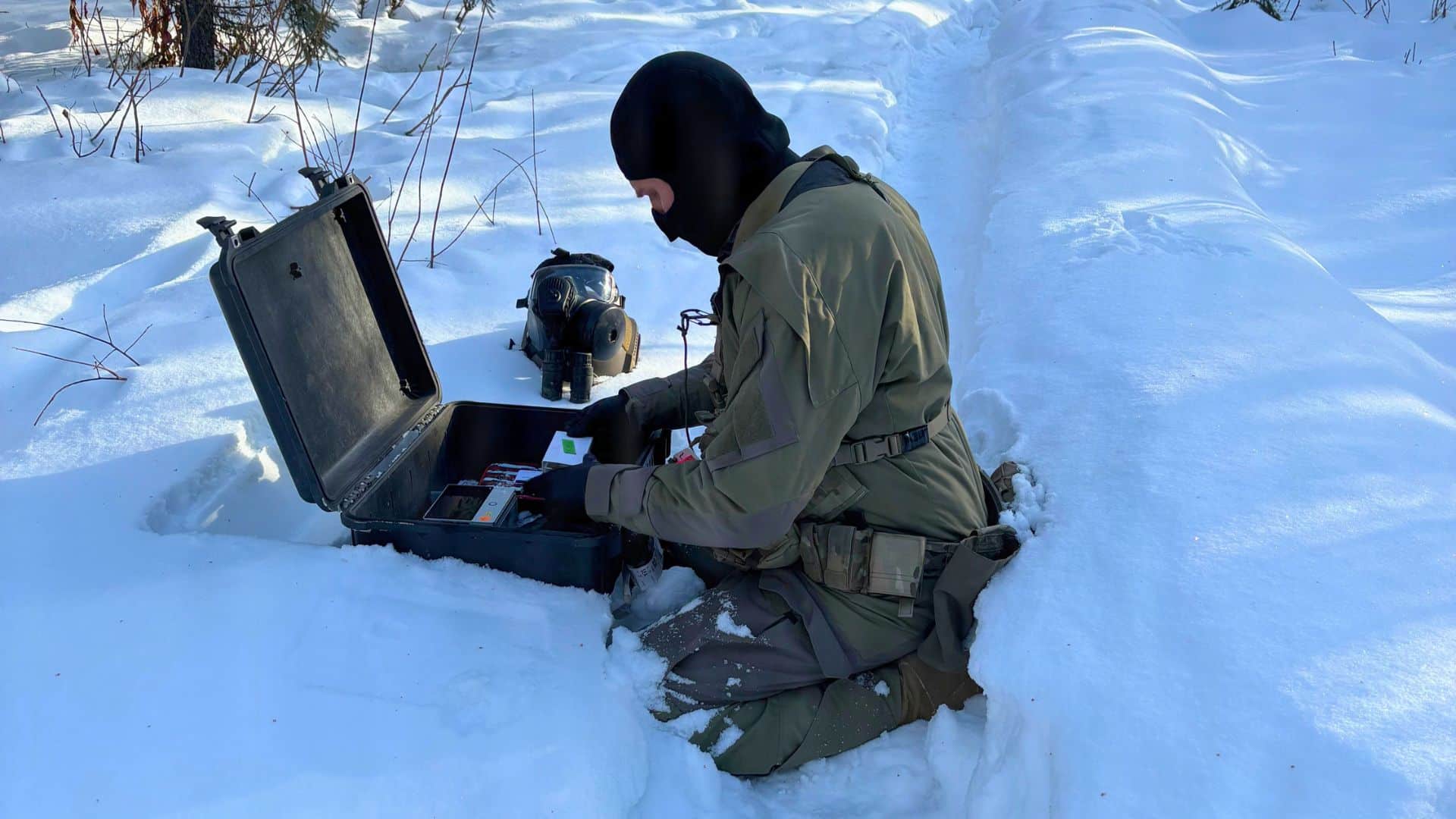
The U.S. Naval Research Laboratory (NRL) has fielded a portable system that sequences DNA and RNA from potential biological threats in under 30 minutes, giving forward-deployed forces the ability to identify known pathogens, unknown organisms, and genetically engineered agents without laboratory infrastructure.
The system, Far-Forward Biological Sequencing (FFBS), is the product of a decade-long joint program called Far-Forward Advanced Sequencing Technology (F-FAST), developed with the Defense Threat Reduction Agency (DTRA), DEVCOM Chemical Biological Center, and the U.S. Army Medical Research Institute of Infectious Diseases.
Conventional rapid diagnostic tests check for a specific known pathogen and return a yes-or-no result. FFBS reads actual genetic material instead, enabling operators to identify threats no targeted test was designed to detect, including genetic modifications consistent with an engineered pathogen.
“By characterizing genetic material directly, F-FAST and FFBS can confirm results from targeted tests, detect previously unknown threats, and provide critical data for medical and operational decision-making at the point of need,” NRL Associate Director of Research Dr. Peter Matic said.
F-FAST transitioned to the Capability Program Executive for Chemical, Biological, Radiological and Nuclear Defense (CPE-CBRND) as the FFBS Program of Record for joint force fielding. The National Guard Bureau’s Weapons of Mass Destruction Civil Support Teams (WMD-CST) separately received a Milestone B decision for the Non-targeted Sequencing Identification System (NSIS).
NRL is training Navy microbiology officers and hospital corpsmen with no prior sequencing background to operate the technology now entering their equipment packages.
“The ability to conduct sequencing in the field and even identify synthetically modified genes is a huge step in deterring biothreats,” said Lt. Cmdr. Chaselynn Watters, formerly of the Naval Medical Research Command’s Biological Defense Research Directorate mobile laboratory team. “I am not aware of anyone else in the U.S. operating at this technical level in the field.”