
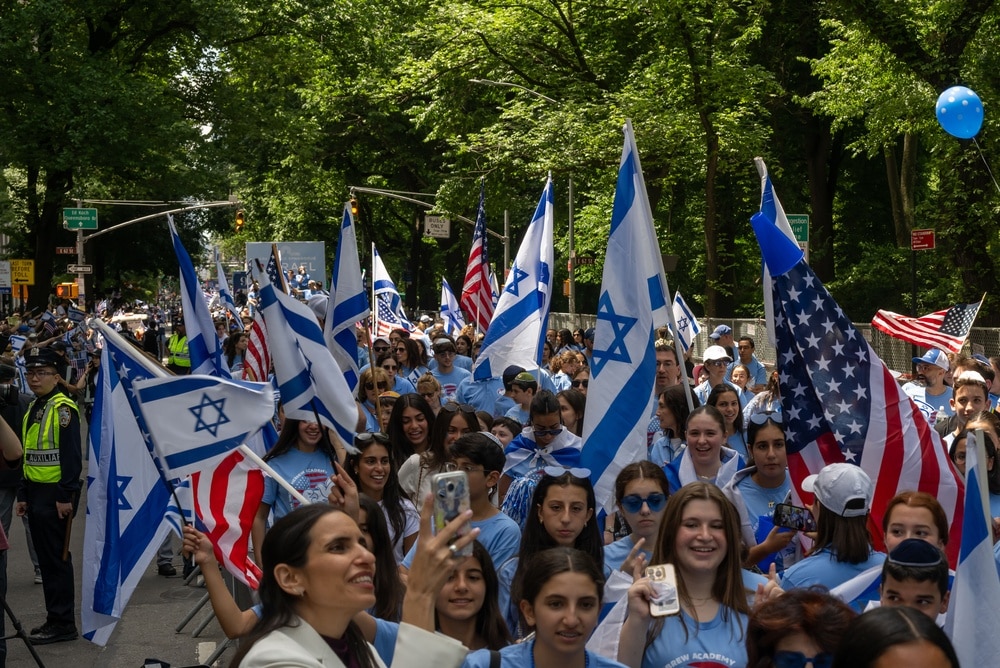
Israel is spending a record $730 million this year on public diplomacy and influence efforts as support for the country continues to decline in the United States, particularly among younger Americans, according to a Wall Street Journal investigation published Saturday.
The report said Israel has hired at least six U.S.-based firms, registered dozens of new foreign agents, and signed contracts worth more than $45 million with former Trump campaign manager Brad Parscale to help improve its image with American audiences.
The Journal reported that Israel has already directed at least $50 million to U.S. contractors as part of the broader campaign. The country’s 2026 budget for public diplomacy, known in Hebrew as hasbara, totals roughly $730 million, a sharp increase from the additional funding approved last year.
ANALYSIS: Israel is betting nearly three-quarters of a billion dollars that it can talk its way out of a reputation crisis.
Lawmakers in Jerusalem approved a 2026 national budget last month that includes roughly $730 million for public diplomacy — the broad category known in… pic.twitter.com/yDzUYvFbd9
— The Times of Israel (@TimesofIsrael) May 2, 2026
The expanded effort comes as public opinion continues to shift. A July survey by the Pew Research Center found that 69% of U.S. adults hold an unfavorable view of the Israeli government, while 42% have an unfavorable opinion of Israelis. Younger Americans have become increasingly critical of Israel since the war in Gaza began, according to Pew’s recent polling.
According to the Wall Street Journal, Parscale’s companies are overseeing several parts of the campaign. The work includes digital advertising, social media outreach, AI-powered text messaging, and content aimed at younger conservative audiences. The report said AI-generated messages were sent to thousands of Americans asking about Israel, Iran, and U.S. foreign policy before directing recipients to websites promoting the U.S.-Israel alliance.
Time magazine previously reported that one proposal called for producing at least 100 pieces of original content each month, with about 80% aimed at Gen Z users across TikTok, Instagram, YouTube, and podcasts. The proposal also outlined plans to improve how artificial intelligence platforms, including ChatGPT, Claude, and Gemini, describe Israel and the conflict.
Nick Cleveland-Stout, a researcher at the Quincy Institute for Responsible Statecraft, told the Journal that Israel appears to be on track to spend more on influencing U.S. public opinion than any other foreign government based on federal disclosure filings.
Supporters of the campaign argue it is needed to counter anti-Israel messaging and foreign influence efforts tied to Iran and pro-Palestinian activists. Critics, however, have questioned the scale of the operation and the use of AI tools, paid media campaigns, and foreign lobbying to shape public opinion in the United States.
The Wall Street Journal’s report comes as debate over U.S. support for Israel remains politically divisive despite the ceasefire between Israel and Hamas brokered by President Donald Trump in late 2025. Polling continues to show the biggest shift in opinion among younger Americans, a trend that Israeli officials have acknowledged in recent months.