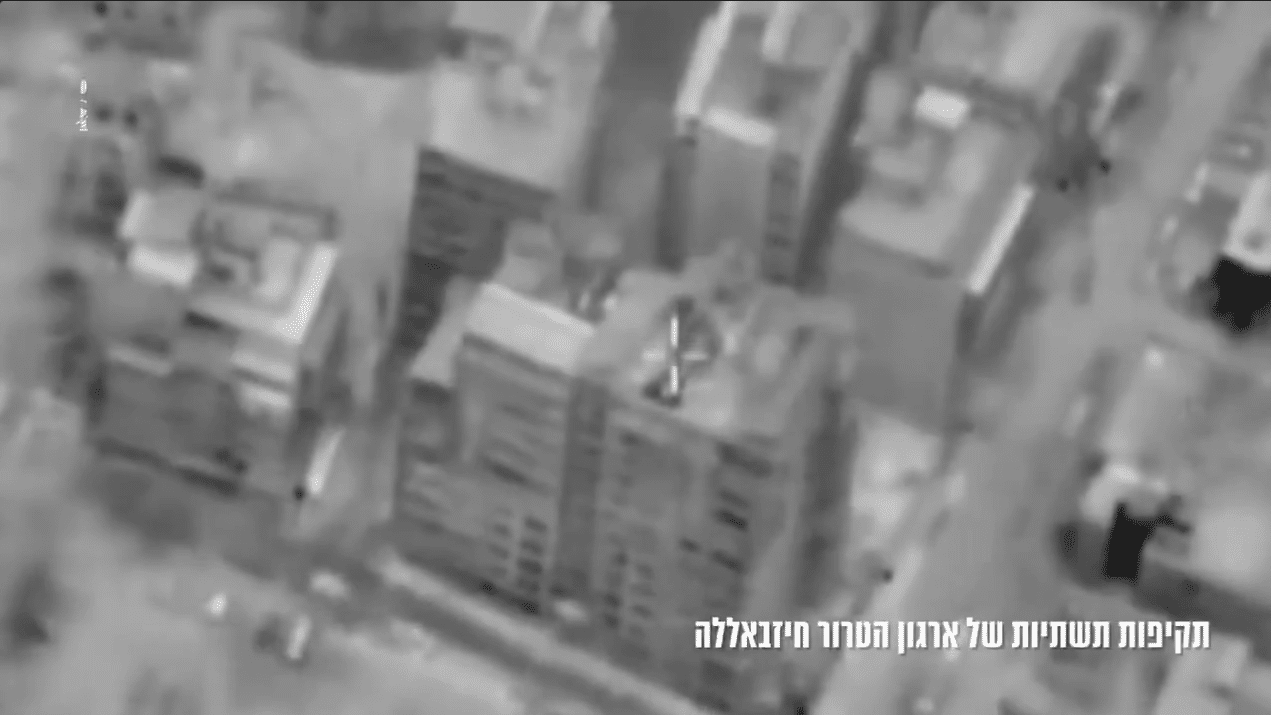
Israeli airstrikes destroyed at least two Litani River crossings in southern Lebanon and hit multiple central Beirut neighborhoods on Wednesday, killing more than 20 people and wounding dozens, Lebanon’s Health Ministry said.
Defense Minister Israel Katz confirmed the bridge strikes, calling them “direct action against Hezbollah’s use of Lebanon’s state infrastructure to advance terrorist activity.” The Israeli military said the crossings were being used to move fighters and weapons, and issued evacuation warnings for residents near the river ahead of the strikes.
🔸هاجم جيش الدفاع قبل قليل معبرين فوق نهر الليطاني في لبنان كانا يُستخدمان من قبل عناصر وقادة حزب الله كوسيلة انتقال من شمال الليطاني إلى جنوبه.
🔸كما يستخدم حزب الله الإرهابي هذه المعابر لنقل آلاف وسائل قتالية، ومن ضمنها القذائف الصاروخية والمنصات التي تُستخدم لتنفيذ مخططات… pic.twitter.com/JGWGUCdNX9
— افيخاي ادرعي (@AvichayAdraee) March 18, 2026
The Litani River sits at the center of Lebanon’s security framework. Under United Nations Security Council Resolution 1701, which ended the 2006 Israel-Hezbollah war, armed groups are barred from operating south of the river. Israel says Hezbollah maintains a significant presence in the zone.
In Beirut, strikes hit the Zuqaq al-Blat and Basta neighborhoods, densely populated areas near the government’s headquarters and several embassies, Lebanon’s National News Agency (NNA) reported.
The Health Ministry said those strikes killed at least 12 people and wounded 41. An earlier pre-dawn strike leveled a building in the Bashoura neighborhood after the Israeli military issued a 4:00 a.m. local time evacuation order. No casualties were reported from that strike.
Hezbollah-affiliated Al-Manar TV said the director of its political programs, Mohammad Shari, and his wife were killed in the Zuqaq al-Blat strike. The channel said Shari’s children and grandchildren were wounded.
In southern Lebanon, the Israel Defense Forces (IDF) said troops of the 36th Division had launched a new ground operation to expand what the military called “the forward defense area.” The 91st “Galilee” Regional Division was operating in the eastern sector, while the 146th Division remained in the western sector. The IDF said it conducted airstrikes and artillery shelling before ground forces moved in.
“Iran is the main arena,” IDF Chief of Staff Lt. Gen. Eyal Zamir said at the Lebanon border. “Weakening the regime and its capabilities will weaken the entire radical axis and, within that, the Hezbollah terror organization.”
IDF Chief of Staff Lt. Gen. Eyal Zamir says the “shockwaves” of Israel’s strikes in Iran are being felt by Hezbollah, as he approves new battle plans for the military’s ground operation in southern Lebanon.
“Iran is the main arena, weakening the regime and its capabilities will… pic.twitter.com/8QuaJNaFqV
— Emanuel (Mannie) Fabian (@manniefabian) March 16, 2026
The IDF repeated its evacuation order for civilians south of the Zahrani River and issued new warnings for four towns near the Zahrani and the Tyre area. The IDF said Hezbollah has launched roughly 100 rockets per day since March 2, when the group began attacking Israel following U.S. and Israeli strikes that killed Iranian Supreme Leader Ali Khamenei. Zamir said more than 400 Hezbollah fighters have been killed since fighting began, including senior officers.
Lebanon’s Health Ministry said Israeli strikes have killed 968 people since March 2, including at least 111 children, according to the Lebanese Ministry of Public Health.
Israeli strikes have killed 968 people and injured 2,432 in Lebanon since 2 March, according to the Lebanese Health Ministry.
— The Cradle (@TheCradleMedia) March 18, 2026
France’s special envoy for Lebanon, Jean-Yves Le Drian, said Wednesday it would be unreasonable to expect Lebanon’s government to disarm Hezbollah while the country is under bombardment. “Israel occupied Lebanon for a very long time and failed to eradicate Hezbollah’s military capacity,” Le Drian told France Info radio. “Therefore, they cannot now ask the Lebanese government to do that job in three days under bombardment.”