
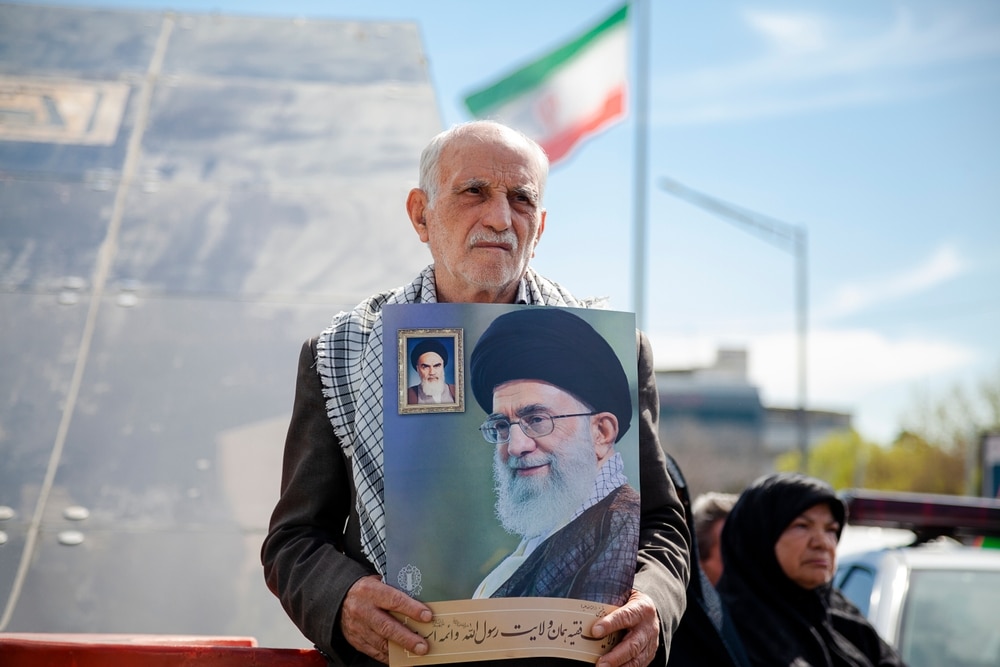
American and Israeli intelligence agencies spent months building a detailed picture of Ayatollah Ali Khamenei’s daily routines before a coordinated strike on Saturday killed Iran’s supreme leader and approximately 40 senior officials, according to multiple people familiar with the operation.
The CIA tracked Khamenei’s residences, his meetings, his communications, and potential locations where he might seek shelter if threatened, according to CNN, citing five sources with knowledge of the intelligence effort. The agency then identified a Saturday morning gathering of top Iranian officials at a Tehran compound that houses the offices of the supreme leader, the presidency, and the national security council.
That intelligence, described by officials as offering precise confidence in Khamenei’s position, was then passed to Israel. Both countries shifted the operation from a planned nighttime assault to a daylight attack to exploit the opportunity.
The strikes came in rapid succession. An Israeli military official told Military Times that missiles struck three separate locations within a single minute, achieving tactical surprise despite Iranian preparations for conflict.
Among those killed were Mohammad Pakpour, commander in chief of the Islamic Revolutionary Guards Corps (IRGC), and Defense Minister Aziz Nasirzadeh. Iran’s state news agency confirmed both deaths on Sunday.
An Israeli source told CNN that Khamenei had relaxed his security posture during daylight hours. Before the operation launched, IDF Chief of Staff Lt. Gen. Eyal Zamir sent a message to Israeli Air Force pilots: “On Saturday at dawn, Operation Roaring Lion begins. You are cleared to strike your targets. We’re making history.”
Chairman of the Senate Intelligence Committee, Sen. Tom Cotton, told CBS News that monitoring adversarial leaders ranks among the intelligence community’s highest priorities. According to the report, he declined to discuss specifics but said the operation demonstrated capabilities unique to the U.S.-Israeli partnership.
The strike followed failed diplomatic efforts. After a final round of negotiations in Geneva on Thursday, U.S. envoys Steve Witkoff and Jared Kushner reported to President Trump that Tehran refused to abandon its nuclear enrichment program.
American intelligence on Iranian leadership improved significantly after last June’s 12-day war, a former U.S. official told The New York Times. During that conflict, American agencies gained deeper insight into how Khamenei and the IRGC operated under pressure, refining their ability to anticipate his movements.
Iran’s foreign minister suggested a new supreme leader could be chosen within days, but a permanent successor has yet to emerge. For now, an interim leadership group is managing the state’s affairs, leaving a power vacuum at the highest level of the Islamic Republic.






all that effort to kill some 86-year-old senior citizen. And to what point? If the Iranians doing anything well, it is succession planning.