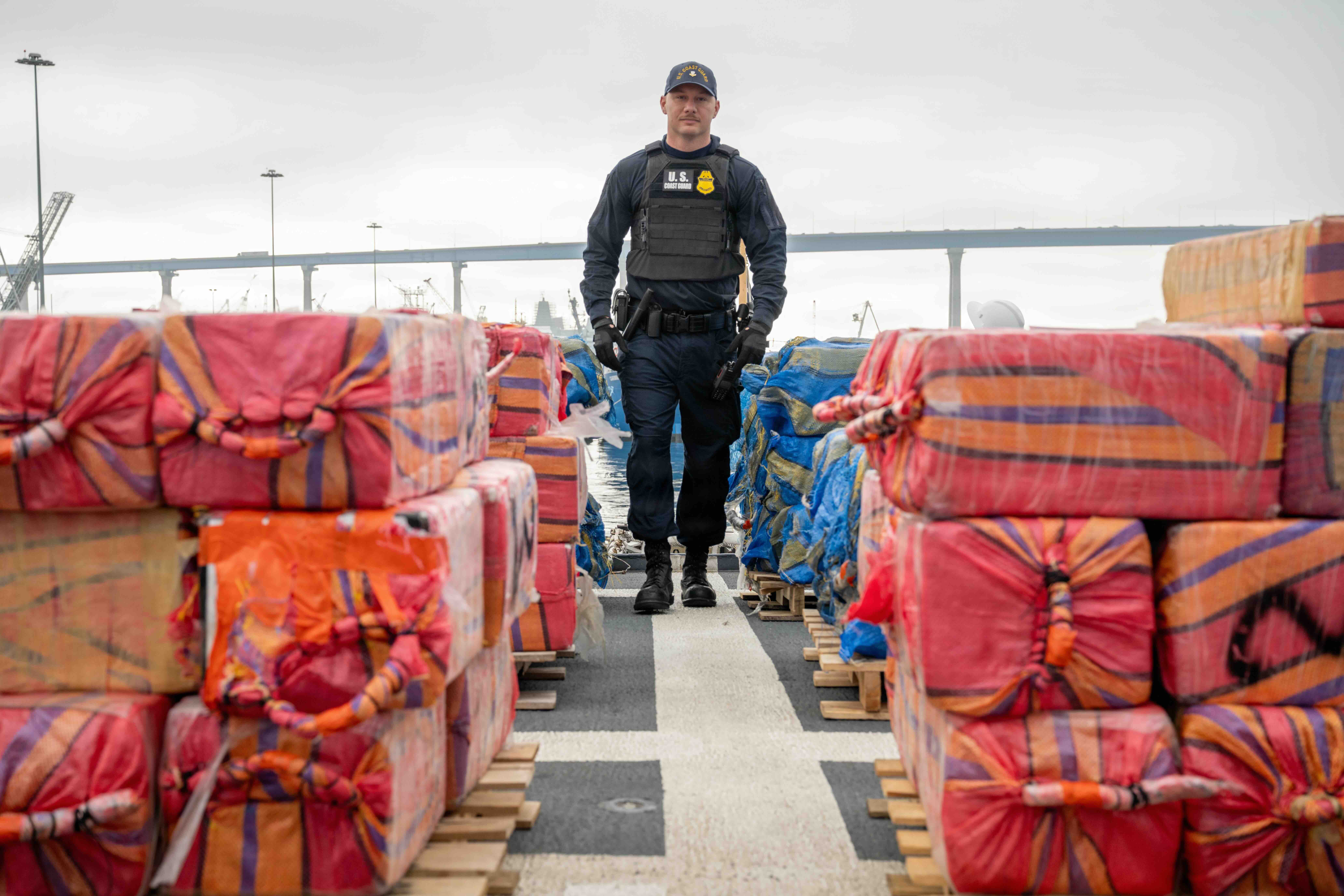
Global drug use reached a record 331 million people in 2024 as cocaine production hit an all-time high and methamphetamine trafficking pushed into new markets, the UN Office on Drugs and Crime (UNODC) warned in its World Drug Report 2026, released June 26.
Cocaine production surged to approximately 4,100 metric tons of pure product in 2024, a fourfold increase within a decade, as organized crime groups expanded into established and emerging consumer markets.
Methamphetamine seizure data indicate production is growing at 13% annually, with traffickers pushing into Africa, the Near and Middle East, and parts of Europe.
“We have seen an unprecedented spike in new types of drugs on the market, and worryingly, some are more potent or dangerous than before,” UNODC Executive Director Monica Juma said.
Drug markets are diversifying. More substances are being adulterated & new drug mixtures are emerging, like pink cocaine & “happy water”. Users may not know what’s in the mixture, whose chemicals can have unpredictable effects in the body. #WorldDrugReporthttps://t.co/gFYxDEEFFH pic.twitter.com/uU7jpRU5IU
— UN Office on Drugs & Crime (@UNODC) June 28, 2026
Africa’s emergence as both a methamphetamine market and production zone is backed by active enforcement records. South African police have confirmed a total of four methamphetamine laboratories with alleged Mexican cartel links uncovered over the last two years, culminating in a massive farm raid in May 2026.
A May bust in Swartruggens, North West Province, yielded 481 kilograms of crystal meth from a facility valued at approximately $61 million, with five Mexican nationals among the 11 people arrested.
#sapsHAWKS [SWARTRUGGENS DRUG LAB UPDATE] Forensic experts are still processing the crime scene; however, approximately 481 kilograms of methamphetamine with an estimated street value amounting to millions of rands has thus far been confiscated. It is anticipated that the… pic.twitter.com/20HC4OHHv2
— SA Police Service 🇿🇦 (@SAPoliceService) May 15, 2026
The Taliban’s 2022 ban on opium cultivation in Afghanistan compressed global heroin supply, sparking warnings of an impending, permanent shift in demand toward potent synthetic opioids as existing stockpiles dwindle.
The UNODC identified 755 new psychoactive substances in circulation in 2024, with 118 reported for the first time, making drug varieties five times higher than before 2000. These potent synthetic opioids are now expanding significantly across both European and Oceania illicit markets.
Synthetic opioids are transforming the illicit drug trade— and some are hundreds of times more potent than heroin.
See what the @UNODC World Drug Report 2026 reveals.https://t.co/oc4LiXFUDy pic.twitter.com/6vClIS4Wiv
— UN News (@UN_News_Centre) June 27, 2026
Resolutions tabled at the 69th Commission on Narcotic Drugs session in March 2026 failed to achieve a traditional consensus, according to the Global Initiative Against Transnational Organized Crime (GI-TOC).
Instead, five were adopted via fractured votes, extending a breakdown in unified policy cooperation that began in 2024.