U.S. Counter-Rocket, Artillery, and Mortar (C-RAM) systems in the U.S. Embassy in Baghdad intercepted Iranian-backed drones and rockets in the most intense attack on the compound since the Middle East war began in February.
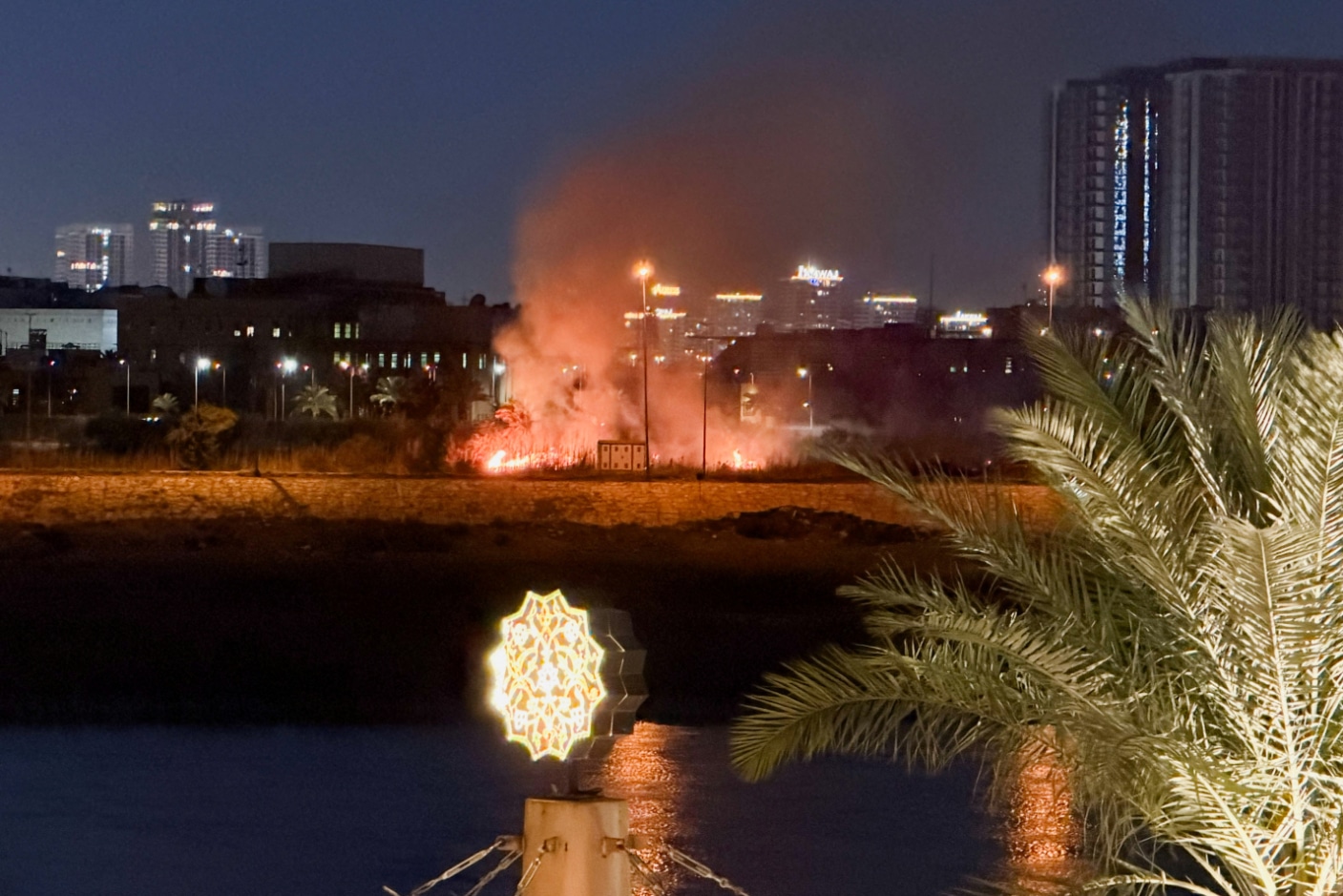
According to reports, at least three drones flew toward the embassy on Tuesday. The C-RAM air defense system shot down two of them, and the remaining one fell within the embassy compound, causing flames.
Videos posted on social media showed an Iranian Shahed-136 drone flying low over Baghdad before being engaged by a C-RAM system.
🚨 Breaking: The U.S. Counter-Rocket, Artillery, and Mortar (C-RAM) defense system successfully intercepted at least one Iranian Shahed-136 drone during tonight’s attack on the U.S. Embassy in Baghdad. pic.twitter.com/2Mf7rc1ZCF
— The Middle East (@A_M_R_M1) March 17, 2026
Outdoor dining, Shahed and C-RAM.
📍 Baghdad, Iraq. pic.twitter.com/y13ehCzNNc
— Clash Report (@clashreport) March 17, 2026
The C-RAM system is a ground-based version of the Navy’s Phalanx close-in weapon system. It can fire up to 4,500 rounds per minute and intercept rockets, artillery, and mortars.
An Iranian Shahed-136 seen flying low over the Iraqi capital of Baghdad before being engaged by an American Counter-Rocket, Artillery, and Mortar System (C-RAM), during tonight’s attack on the U.S. Embassy. pic.twitter.com/XN0luy2ac4
— OSINTdefender (@sentdefender) March 17, 2026
Following the attacks, Iraqi security forces sealed off the Green Zone in central Baghdad, where government institutions and foreign embassies are concentrated.
The U.S. Embassy in Baghdad, one of the largest American diplomatic facilities in the world, has faced repeated attacks since the U.S.-Israel military operation against Iran began Feb. 28. A strike by Iranian forces hit the U.S. Embassy’s helipad on Saturday morning.