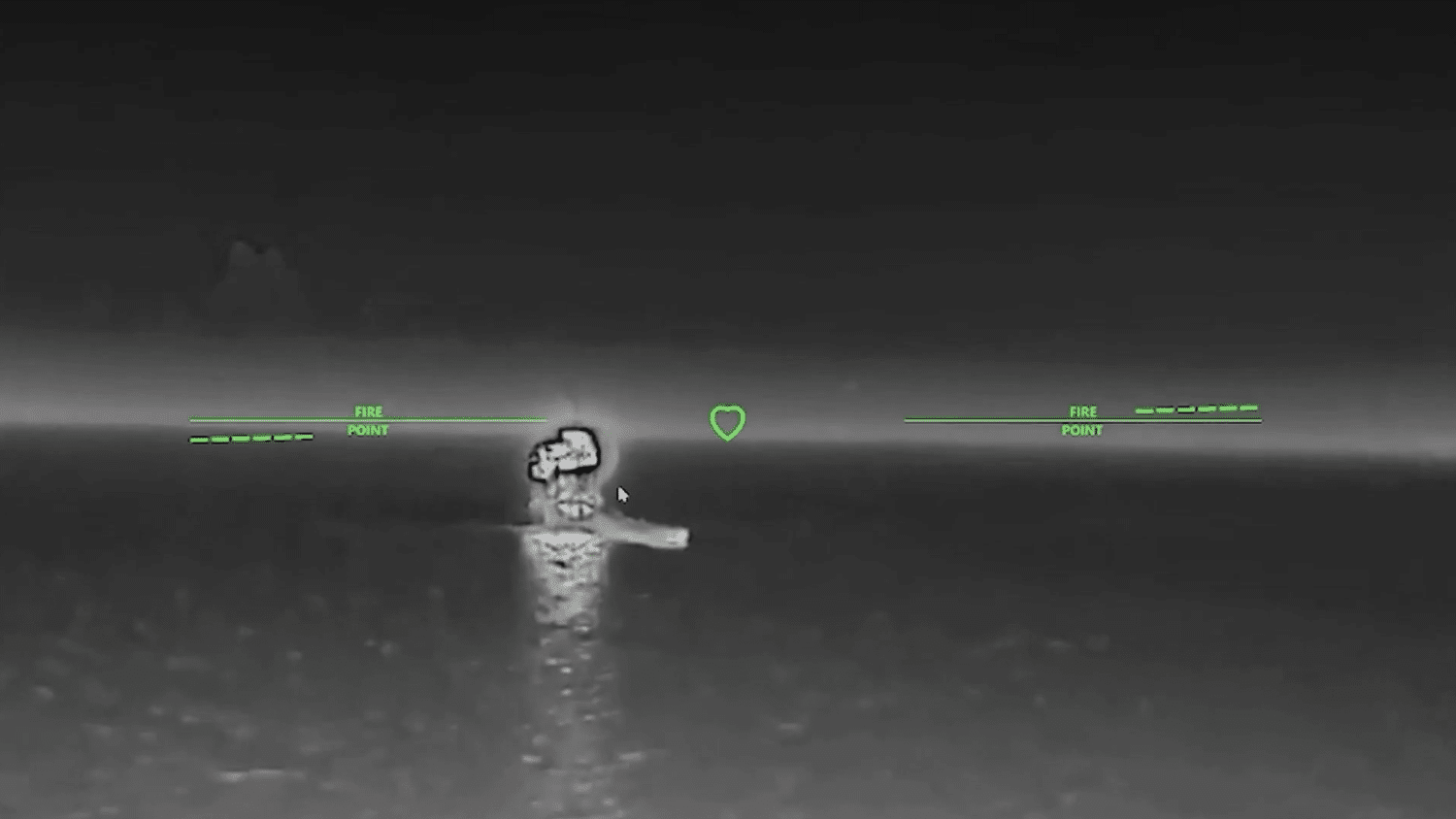
Ukraine’s Unmanned Systems Forces (USF) struck 28 Russian vessels in the Sea of Azov overnight on July 10 to 11, forcing Russia to suspend shipping through the Don-Azov Channel, a navigable waterway that accounts for up to 25% of Russia’s wheat exports to global markets.
14 vessels struck in one night.
Overnight, operators of Ukraine’s Unmanned Systems Forces struck 10 tankers and a ferry in the Sea of Azov, and three ferries near Kerch in temporarily occupied Crimea.
Since July 6, USF units have struck 90 vessels of Russia’s shadow fleet.… pic.twitter.com/S7wdP0kyup
— Defense of Ukraine (@DefenceU) July 12, 2026
USF Commander Robert “Magyar” Brovdi confirmed on Telegram that operators from the 414th Unmanned Systems Brigade’s Kairos unit struck 21 oil tankers, four tugboats, two dry cargo ships, and a specialized dredging vessel, logging 73 confirmed drone strikes in a single night. “The shadow tanker fleet is noticeably shrinking,” Brovdi wrote. “It appears traffic through the Kerch Strait has been stopped.”
Three grain trade sources told Reuters that Russia had suspended Don-Azov Channel shipping following strikes earlier in the campaign.
Russia’s Federal Security Service (FSB), which controls the Kerch Strait border crossing, gave shipping firms no reopening date, Euromaidan Press reported. Chicago wheat futures climbed as much as 4.8% and Paris milling wheat surged 5.7% on July 11, the sharpest single-session moves for each benchmark since spring.
The July 11 operation was the single-largest overnight strike in a campaign that began July 6. Brovdi announced July 12 that the USF struck 90 Russian vessels over seven days, with drone operators averaging a confirmed strike every 112 minutes.
Brovdi also said July 12 that a target he described as the “Crimean switch” was struck overnight, with footage to be released at a later date. Defense Express estimated roughly 120 Russian vessels currently operate in the Azov, most of them bulk carriers, meaning campaign targets remain plentiful.
The Ukrainian General Staff stated the targeted tankers transported petroleum products in violation of international sanctions, with the proceeds funding Russia’s military operations.
Damage assessments from the July 11 strikes remain ongoing, and individual vessel losses have not been independently verified by SOFX.