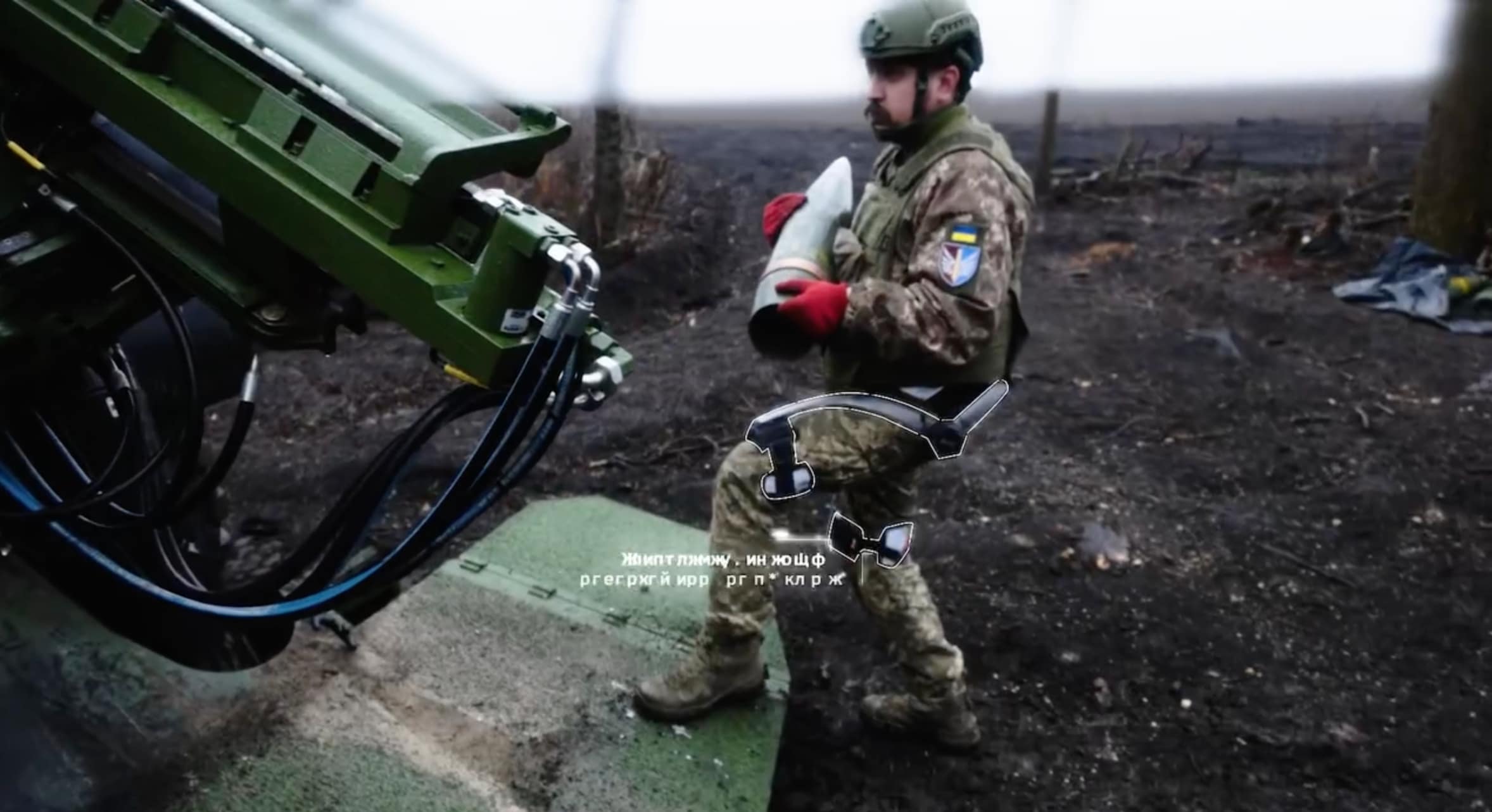
Ukraine’s 7th Rapid Reaction Corps of the Air Assault Forces (DShV) has deployed leg exoskeletons with artillery units in the Pokrovsk sector, the corps announced March 20. The deployment marks the first time any formation in Ukraine’s Defense Forces has fielded the technology in live combat conditions.
Test samples reached soldiers of the 147th Separate Artillery Brigade, which is running trials at logistics points and active firing positions in the Pokrovsk direction. The 147th operates French-made CAESAR self-propelled wheeled howitzers on that front.
Colonel Vitalii Serdiuk, deputy commander of the 7th Corps and head of its Rocket Forces and Artillery Directorate, described the physical demands the equipment addresses. “Every day, artillerymen endure high physical strain. They carry 15 to 30 shells weighing about 50 kilograms each. Based on the test results, they get less tired, work faster, and maintain combat readiness longer,” Serdiuk said.
🇺🇦 #Ukraine: Ukrainian forces have begun training and testing exoskeletons for battlefield use.
Soldiers from the 147th Separate Artillery Brigade are using them in the Pokrovsk sector for both logistics and frontline operations.
The goal is to reduce physical strain,… pic.twitter.com/xSVju0wTWZ
— POPULAR FRONT (@PopularFront_) March 22, 2026
The device weighs two kilograms and is constructed from aluminum alloy with rigid arcs and hinged joints at the thighs and knees. According to the corps’s video, it features 10 intelligent operating modes, AI movement analysis, and an operating range of –10°C to 60°C.
Assisted movement reaches up to 20 km/h over distances of up to 17 kilometers, reducing leg muscle load by up to 30%. Controls run through a mobile app, though physical buttons function without a phone, 7th Corps press officer Serhii Lefter told Ukrainska Pravda.
At current operational tempo, 147th Brigade crews carry up to 30 shells per day, totaling approximately 1,200 kilograms.
“Caesar crews destroy the enemy even on approach, and every minute and every shot matter,” the brigade stated. The exoskeleton offers similar benefit for crews of the Ukrainian-made Bohdana-BG towed 155mm howitzer, where shells must be lifted to a greater height without a dedicated loader.
The corps framed the trials as part of its “techno-air-assault” concept, the same doctrine under which it trains soldiers to counter Russian first-person-view (FPV) drone attacks using virtual reality headsets.
“We are easing human overexertion with technological solutions,” the 7th Corps stated.
Russia has pursued parallel logistics automation on the same front, fielding remotely operated rail carts near Pokrovsk to move supplies without exposing personnel.