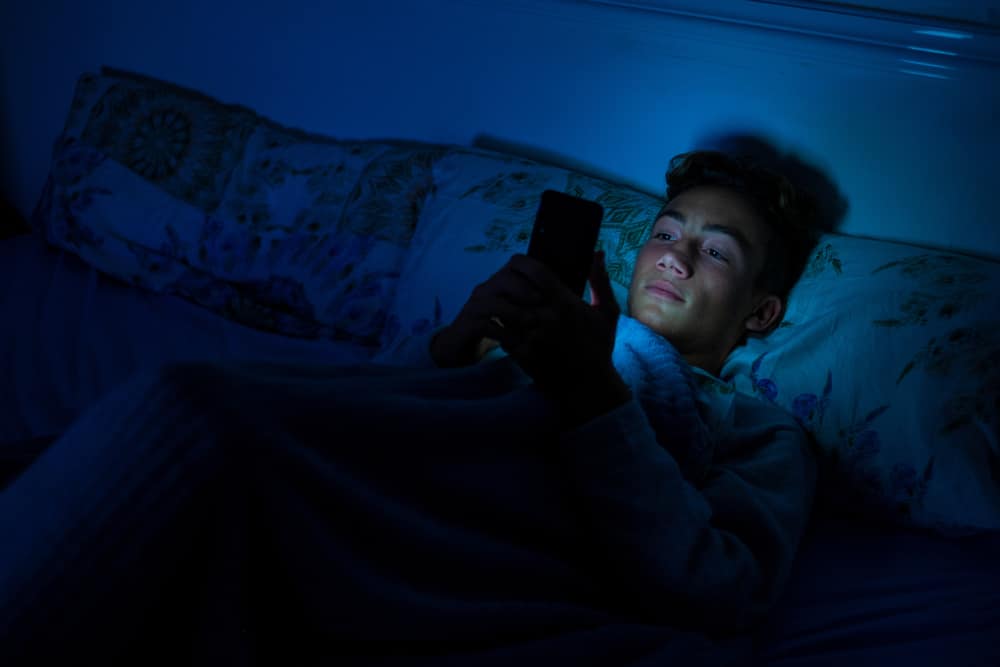
The British government announced July 15 that 16- and 17-year-olds will face default overnight social media curfews from midnight to 6 a.m. Autoplay and infinite scroll features will also be disabled by default, as the Department for Science, Innovation and Technology (DSIT) expanded its restrictions on minors’ access to major platforms.
Technology Secretary Liz Kendall announced the measures, which block access to apps including Instagram, TikTok, and YouTube for that age group during overnight hours. Features designed to extend user session time, including automatically playing videos and algorithmically curated feeds, will also be switched off by default.
I’ve heard from parents, teachers and young people concerned about the impact social media can have on sleep, studying and family life. That’s why we’re introducing protections for 16 and 17-year-olds, helping reduce late-night scrolling and limiting addictive features by default https://t.co/VxCFA0RxrI
— Liz Kendall (@leicesterliz) July 15, 2026
Both measures are opt-out. Teens can disable either restriction by changing their account settings. Compounding the question of enforcement, Online Safety Minister Kanishka Narayan confirmed July 15 that the government will not restrict virtual private networks (VPNs), tools already documented as a widely used method for circumventing platform-level controls.
Social media firms will need to create safer default settings for older teenagers. A smooth slope, not a cliff edge, so 16 and 17 year olds are supported when they join social media. pic.twitter.com/8KMDuUXauY
— Kanishka Narayan MP (@KanishkaNarayan) July 15, 2026
The European Parliamentary Research Service (EPRS) tracked surging VPN adoption following enforcement of the UK’s under-16 social media ban announced in June.
A government-commissioned pilot study published by DSIT on July 14 found that social media restrictions improved sleep quality and well-being among British teens aged 13 to 17. Officials cited the findings as supporting evidence for broader platform-level controls.
The announcement follows Prime Minister Keir Starmer’s June decision to ban social media access for children under 16, covering TikTok, Instagram, YouTube, Snapchat, Facebook, and X. DSIT described the latest measures as intended to prevent a “cliff edge” in protections as young people enter their later teenage years.
Campaigner Ellen Roome, whose 14-year-old son Jools Sweeney died in an online challenge in 2022, said the plan is “not good enough” because teenagers can switch the settings off.
Narayan told Times Radio that the measures make Britain “the safest place” for children online.