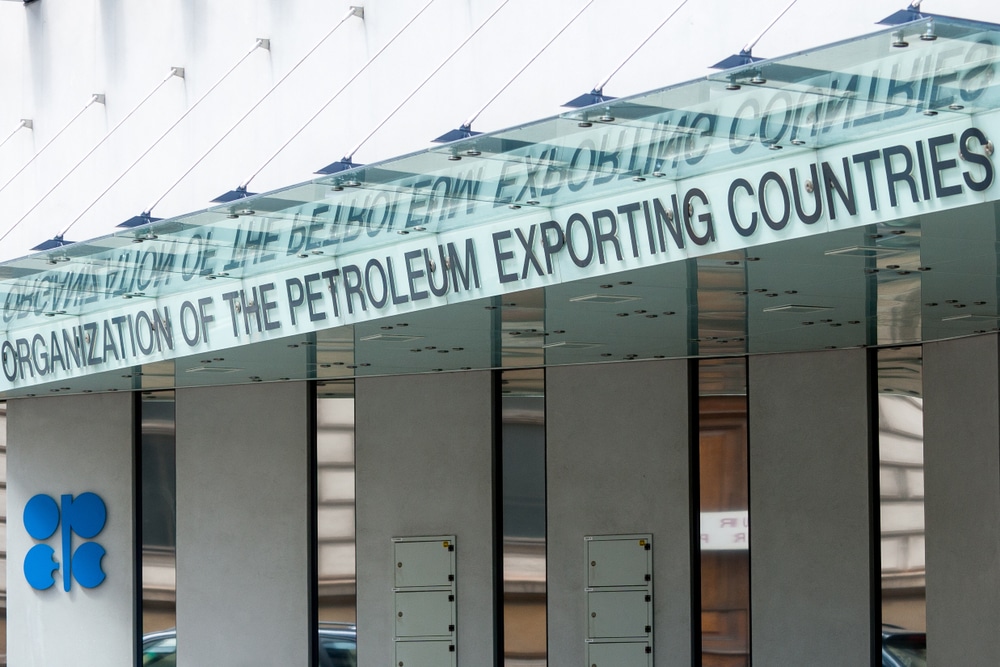
The United Arab Emirates (UAE) said Tuesday it will leave the 12-member alliance of major oil-producing nations, the Organization of the Petroleum Exporting Countries (OPEC) effective May 1, ending nearly 60 years of membership.
The country is also leaving OPEC+, a broader group created in 2016 that includes allied producers such as Russia.
In a statement carried by state-owned media, the UAE said the decision “reflects the UAE’s long-term strategic and economic vision and evolving energy profile.”
OPEC and OPEC+ together account for roughly 40% of global oil production. Members coordinate production levels to balance global supply and keep prices high. Without coordination, higher output would likely drive prices down and cut revenues.
The UAE’s departure, OPEC’s third largest producer, had been widely anticipated, as it has pushed back in recent years against production quotas set by the alliance, which limited how much oil it could sell on global markets.
Leaving the cartel would allow the UAE to tap its capacity more freely and potentially boost its revenues.
In his first public comments since the announcement, UAE Energy Minister Suhail Mohamed al-Mazrouei told Reuters that the decision followed a review of the country’s energy strategy. He added that the UAE did not consult other countries before making the move.
Mazrouei said that the decision positions the UAE to respond to rising global energy demand.
“This is a policy decision, it has been done after a careful look at current and future policies related to level of production,” he added.
The decision comes as tensions and supply disruptions linked to the war in Iran have already strained global energy flows. Analysts say the move will further weaken the cartel’s leverage over oil supplies and prices.
The UAE was “one of the few members, along with Saudi Arabia, that had meaningful spare production capacity to influence prices and respond to supply shocks,” said Jorge León of Rystad Energy.
Its exit “removes one of the core pillars underpinning OPEC’s ability to manage the market,” León said, adding the group will become “structurally weaker.”
“Having invested heavily in expanding energy production capacity in recent years, the bigger picture is that the UAE has been itching to pump more oil,” Capital Economics wrote in an analysis. “The ties binding OPEC members together have loosened.”
Oil prices on international markets pared earlier gains Tuesday after the UAE announced it would leave OPEC and OPEC+.
The International Energy Agency said OPEC+’s share of global oil output fell to 44% in March from about 48% in February. It is expected to decline further in April as production cuts intensify, and again in May following the UAE’s exit.
The UAE’s departure follows Qatar’s exit from the group in 2019.