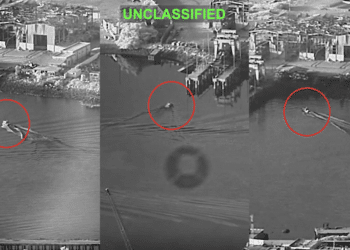
U.S. forces launched a second wave of strikes against Iran on Wednesday afternoon, following an earlier operation the same day, marking the fifth consecutive day of U.S. attacks against Iranian targets.
According to U.S. Central Command (CENTCOM), the first wave of strikes began at 6 a.m. ET and lasted about 90 minutes. The operation targeted Iran’s coastal defense systems and cruise missile storage and launch sites on Greater Tunb Island.
At 6 a.m. ET today, U.S. Central Command forces began launching a wave of strikes against Iran. The strikes are designed to further degrade military capabilities Iranian forces have used to attack commercial shipping in the Strait of Hormuz.
— U.S. Central Command (@CENTCOM) July 15, 2026
Hours later, the Pentagon announced a second wave of strikes against Iran, saying U.S. forces again targeted capabilities used to threaten vessels transiting the strategic waterway.
At 3 p.m. ET, U.S. forces launched operations for a second wave of strikes today against Iran. The strikes are targeting Iranian military capabilities used to threaten vessels freely transiting through the Strait of Hormuz, an international waterway vital to global commerce. The…
— U.S. Central Command (@CENTCOM) July 15, 2026
The strikes came after President Donald Trump declared that a temporary ceasefire with Iran was over following Iranian attacks on commercial ships in the Strait of Hormuz. On Tuesday, the Trump administration reimposed a naval blockade on Iranian ports as part of its effort to restrict Tehran’s maritime operations.
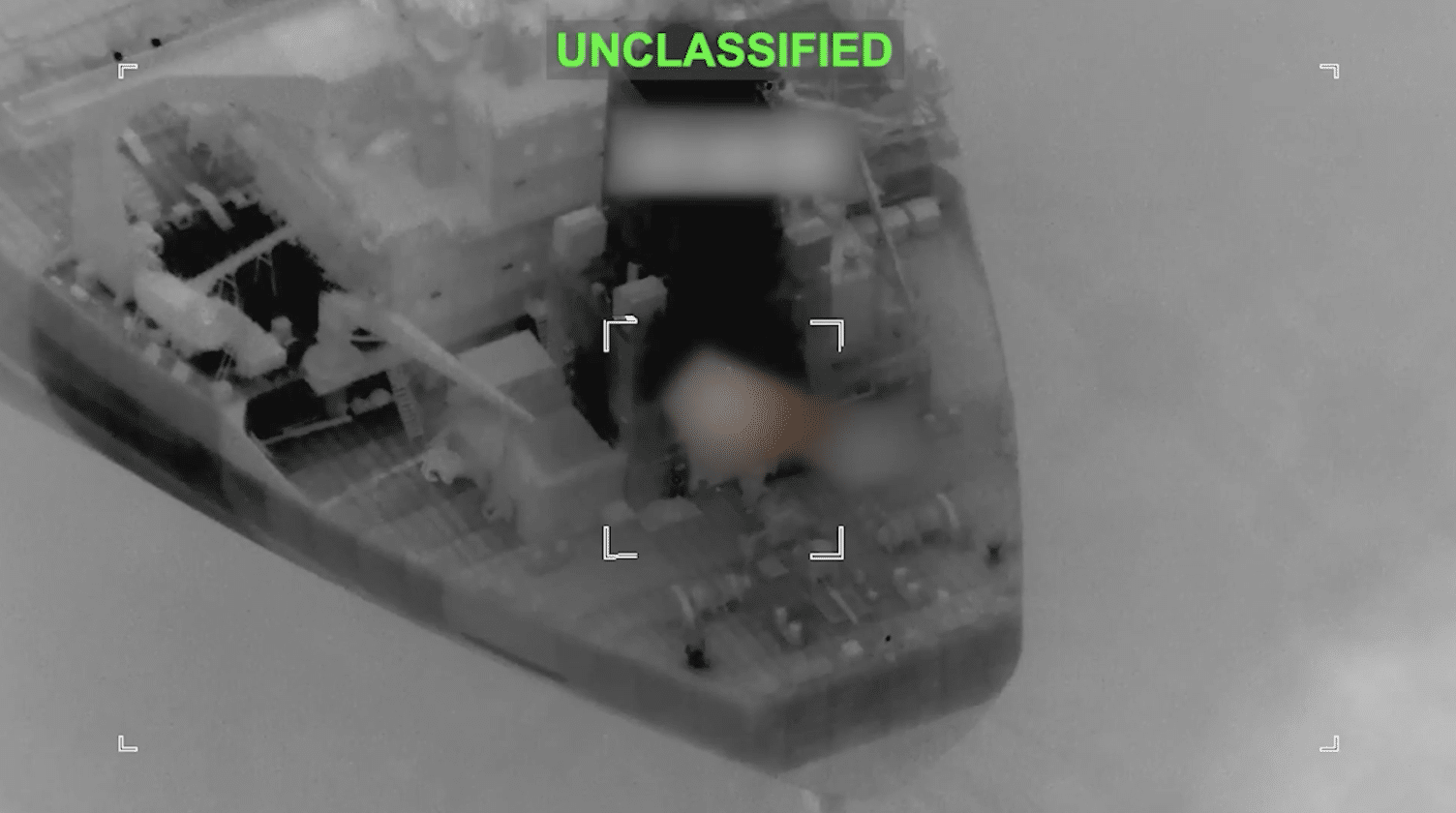
During the first 24 hours of the blockade’s enforcement, CENTCOM said U.S. forces disabled the Curacao-flagged oil tanker M/T Belma after the vessel ignored repeated warnings while attempting to sail toward Iran’s Kharg Island. The military said a U.S. aircraft fired Hellfire missiles into the vessel’s smokestack, rendering the unladen tanker unable to continue its voyage.
CENTCOM also said it redirected two “compliant commercial vessels” during the first day of the blockade.
Since restarting the naval blockade against Iranian ports 17 hours ago, U.S. forces have redirected 2 commercial vessels attempting to run the blockade. The U.S. military remains vigilant and prepared to ensure full compliance. pic.twitter.com/E00JAlmBua
— U.S. Central Command (@CENTCOM) July 15, 2026
The latest operations follow a seven-hour U.S. strike campaign Tuesday against dozens of military targets near the Strait of Hormuz and Iranian coastal areas. Iran’s Islamic Revolutionary Guard Corps said Wednesday that it retaliated by striking U.S. military targets in Bahrain, Kuwait and Jordan.
The future of U.S.-Iran negotiations remains uncertain. Trump warned Tuesday that Washington could target Iran’s energy infrastructure, including bridges and power plants, if Tehran does not return to negotiations.
Trump also warned that the U.S. could target “Pickaxe Mountain,” a heavily fortified underground facility south of Tehran that U.S. intelligence agencies suspect could support Iran’s nuclear program. Tehran has said the site is used to manufacture advanced centrifuges.
“We’re going to take out Pickaxe Mountain. Tell the Iranians to be ready,” Trump said during an interview with The Hugh Hewitt Show.
Asked by reporters late Wednesday whether he would set a deadline before taking further action against Iran, Trump responded: “I don’t like giving deadlines, but they pretty much know, they know the story… they better behave.”
Meanwhile, Iranian Foreign Ministry spokesperson Esmaeil Baghaei said Wednesday that Tehran would continue responding “firmly” to U.S. strikes and would not adhere to any agreement if the U.S. “breaches its obligations.”