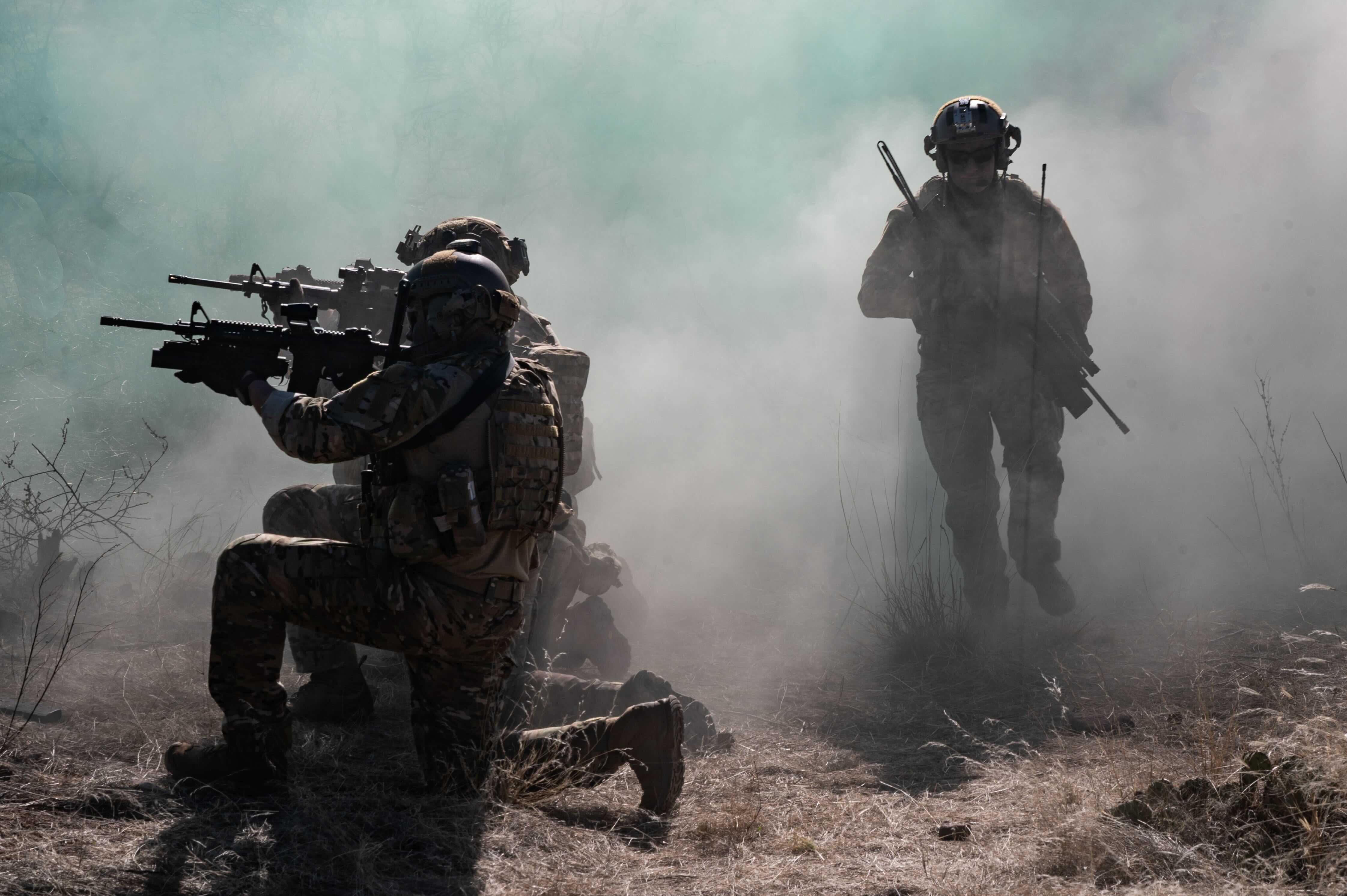
A U.S. Special Operations Command (SOCOM) study has found that special operations forces (SOF) personnel face an 18% higher cancer risk than conventional service members, with elevated rates of melanoma and testicular cancer.
The study, commissioned by SOCOM, analyzed health data from 231,733 special operations forces (SOF) personnel and more than 5.1 million non-SOF service members who entered military service between 2001 and 2023.
The report found SOF personnel had a 33% higher risk of melanoma and a 21% higher risk of testicular cancer than their counterparts. Testicular cancer, melanoma and thyroid cancer were the most commonly diagnosed cancers among special operations personnel.
The report noted that frequent deployments and prolonged exposure to sunlight in austere environments with limited access to sun protection may help explain the increased melanoma risk. It also said future studies should explore whether exposure to endocrine-disrupting chemicals or pesticides could contribute to the higher rate of testicular cancer.
Researchers also found some cancers were diagnosed at younger ages in SOF personnel. Prostate cancer was diagnosed, on average, six years earlier than in the non-SOF population, while lung and bronchus cancers were diagnosed about 3.6 years earlier.
“This is presumed to be a result of a proactive health culture and earlier screening,” researchers noted.
Despite the higher incidence of cancer, SOF personnel had a 40% lower cancer mortality rate than non-SOF personnel. Cancer accounted for 103 of the 2,173 deaths recorded in the SOF cohort, resulting in a mortality rate of 3.96 deaths per 100,000, compared with 6.6 deaths per 100,000 in the non-SOF group.
“SOF have better survival rates. The lower mortality rate is a critical and positive finding, highlighting the exceptional health, fitness, and care within the SOF community,” researchers said.
The study was commissioned after SOCOM requested an assessment in 2023, citing concerns that the unique environments and occupational exposures faced by special operations troops could increase their cancer risk.
Researchers said the study was designed to determine whether differences in cancer rates existed, not what caused them. They said additional research is needed to examine the occupational, environmental and lifestyle factors that may contribute to the increased cancer risk among SOF personnel.
“This study confirms what many of us have long suspected, that a career in Special Operations includes a measurable increase in cancer risk,” said John Doolittle, a retired Navy SEAL captain.
SOCOM said it is working with Defense Health Agency epidemiologists and medical experts to review cancer screening protocols, improve health communication efforts and develop follow-on studies to better understand the findings.
SOCOM urged current and former special operations personnel to be proactive about their health and seek prompt medical evaluation for symptoms such as new or changing moles, persistent pain or other unexplained health issues, regardless of age.
The command also encouraged personnel to reduce their cancer risk by using sun protection, maintaining a healthy diet, avoiding tobacco and other carcinogens, and getting adequate rest.