Russia appears to be reviving a World War I-era camouflage technique on military vehicles in what analysts say may be an effort to counter Ukrainian drones equipped with artificial intelligence (AI) and machine-vision systems.
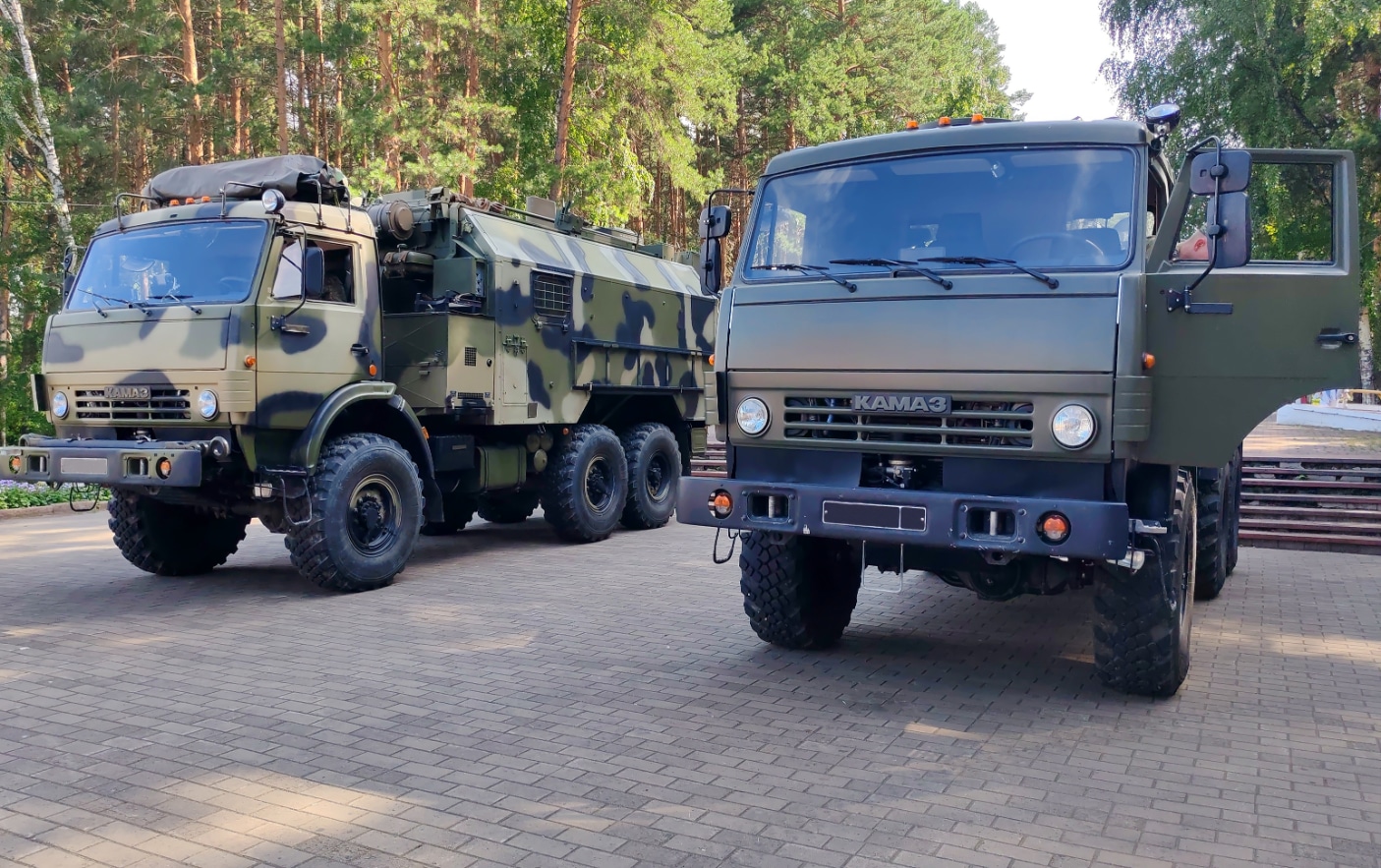
Photos circulating online show a Russian military KamAZ truck recently photographed with black-and-white stripes. The location is unknown.
Russian forces are increasingly painting their trucks in a “zebra” camouflage pattern, hoping to deceive the machine vision systems of Ukrainian UAVs. This type of camouflage was actively used during the First and Second World War to mask warships. It worked at sea; we’ll see if… pic.twitter.com/8Qfv929MKR
— WarTranslated (@wartranslated) June 1, 2026
The paint scheme was first used on warships during World War I. Rather than hiding a vessel, it was designed to distort enemy perception of the target’s speed, direction and distance.
It remains unclear whether the technique provides any meaningful protection against modern drone-based targeting systems, which rely on sensors and algorithms.
According to Defense Express, AI-based target recognition systems do not rely on the same visual cues for distance and movement used by early 20th-century naval fire-control equipment.
The report also noted that thermal imaging sensors, which are increasingly common on reconnaissance and strike drones, would not be affected by a vehicle’s exterior paint pattern.
“If one of these zebra-striped KamAZ trucks ends up in the crosshairs of a Ukrainian drone operator, the paint scheme is likely to have little effect beyond a possible psychological one. The operator may not even notice it if the drone is using a thermal imaging camera,” Defense Express notes.