Iranian security forces have arrested doctors and healthcare workers for treating protesters injured during the country’s ongoing anti-regime demonstrations, with one surgeon now facing the death penalty on charges of “waging war against God,” according to multiple human rights organizations and international health bodies.
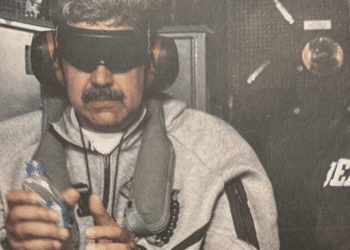
Dr. Alireza Golchini, a 52-year-old surgeon from the central city of Qazvin, was violently detained from his home on January 10 and charged with “moharebeh,” a capital offense under Iranian law, the Norway-based rights group Hengaw reported.
The arrest marks what activists describe as a coordinated campaign of retaliation against medical professionals who refused to abandon wounded civilians.
Days before his arrest, Golchini had posted his contact information on social media, offering to treat injured patients, according to his cousin Nima Golchini, who spoke to The Guardian from Canada.
“He was arrested in a violent manner in front of his wife and son, who is only 11,” Nima Golchini told The Guardian. “They beat him up so badly during arrest, they broke his arm, ribs and dragged him out of his home. My family is terrified.”
The U.S. State Department’s dedicated Farsi account on X (formerly Twitter) issued a statement demanding the release of Golchini and “all the brave doctors who have helped their fellow countrymen,” adding that “President Trump has clearly stated that no executions should take place in Iran and that there will be consequences if the government takes such actions.”
پزشکان ایرانی سوگند یاد میکنند که منافع بیماران خود را در اولویت قرار دهند، به کسی آسیب نرسانند و بالاترین استانداردهای اخلاقی را رعایت کنند. با این حال، حکومت صرفاً بهدلیل درمان معترضان زخمی، کادر درمان را مجازات میکند؛ یعنی دقیقاً بهخاطر انجام همان کاری که به آن سوگند خورده… pic.twitter.com/2IEkdUmw6G
— USAbehFarsi (@USABehFarsi) January 28, 2026
The crackdown extends far beyond a single case. The World Health Organization confirmed that at least five doctors have been detained while treating injured patients. The World Medical Association reported that security forces have arrested wounded protesters inside hospitals and pressured medical staff to report patients with gunshot injuries to authorities.
“This appears to be a deliberate revenge campaign against doctors and medical staff who refuse to abandon the wounded,” Hossein Raeesi, an Iranian human rights lawyer living in exile, told The Guardian.
Dr. Yaser Rahmani-Rad, an internal medicine specialist at a public hospital in Tehran, provided Sky News with firsthand accounts of conditions inside Iranian medical facilities during the government’s crackdown.
“In some cases patients were removed from ventilators and other medical equipment. They said: ‘Let them die. They have no rights. They are against the Islamic system, and they deserve to die,'” he told Sky News.
The physician said wounded protesters are now being killed with live ammunition inside medical facilities. “Some had been wounded by shotguns and [later] were killed in the hospital with live ammunition,” he said.
Among the other medical professionals detained are Dr. Ameneh Soleimani, a physician and clinic director in Ardabil; Dr. Farhad Nadali, a surgeon and faculty member at Golestan University of Medical Sciences arrested January 8; and Dr. Babak Pouramin, an emergency medicine specialist detained January 19 and reportedly held in Vakilabad Prison in Mashhad, according to Iran Focus.
The fear of arrest has also created deadly delays in treatment for civilians in critical condition. According to reports from Norway-based NGO Iran Human Rights, protesters have delayed seeking treatment out of fear of being tracked into hospitals, with many looking to get treated privately or having to sneak into medical facilities through backdoors.
A group of Iranian physicians issued a statement through the Center for Human Rights in Iran declaring that “Being a Doctor Is Not a Crime.” The statement affirmed that providing medical care is “a legal and humanitarian duty” under professional oaths and international obligations, regardless of a patient’s identity or beliefs.
Iranian authorities have offered minimal public comment. Mohammad Raeeszadeh, head of the Medical Council of Iran, told the state-funded Tasnim news agency that “only a very limited number” of medical personnel had been arrested and denied any were detained for performing professional duties.
The Iranian government claims 3,117 people died during the protests. However, the U.S.-based Human Rights Activists News Agency has independently verified 6,301 deaths, with 17,091 additional cases under investigation, potentially bringing the total above 23,000, according to Sky News.
The footage of the protest crackdown in Iran, it looks like a warzone pic.twitter.com/gpUKVqbEoy
— Combat Archive (@Zoma3mk) January 21, 2026