
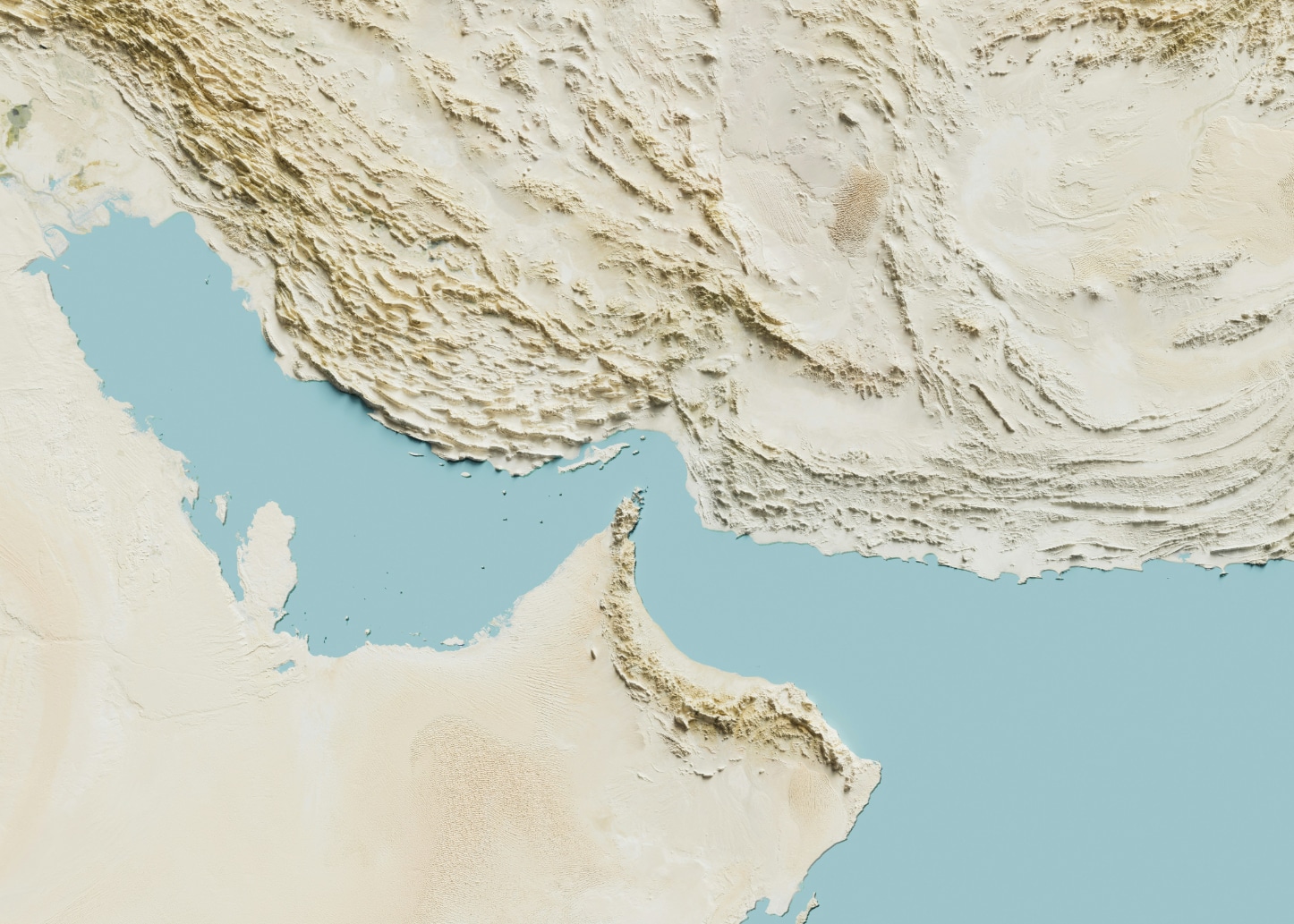
President Donald Trump gave Iran 48 hours on Saturday to fully reopen the Strait of Hormuz, warning that the United States would destroy Iranian power plants if Tehran refused.
“If Iran doesn’t FULLY OPEN, WITHOUT THREAT, the Strait of Hormuz, within 48 HOURS from this exact point in time, the United States of America will hit and obliterate their various POWER PLANTS, STARTING WITH THE BIGGEST ONE FIRST!” Trump posted on Truth Social.
— Rapid Response 47 (@RapidResponse47) March 21, 2026
The 48-hour window began late Saturday night and is set to expire at approximately 7:45 PM ET today, Monday, March 23. Global energy markets have reacted sharply to the ticking clock; Brent crude surged above $113 per barrel in Monday morning trading, while the U.S. benchmark WTI briefly regained the $100 level as traders brace for potential strikes on regional infrastructure.
Iran shut down most commercial tanker traffic through the strait in early March. The waterway carries roughly one-fifth of global crude oil supply. U.S. Central Command (CENTCOM) struck Iranian anti-ship missile sites near the strait with 5,000-pound bunker-buster bombs earlier in the week.
Tehran showed no signs of compliance by Sunday morning. Col. Ebrahim Zolfaqari, spokesman for Iran’s Khatam al-Anbiya military command headquarters, warned through the IRNA state news agency that “all energy, information technology, and desalination infrastructures belonging to the U.S. and the regime in the region will be targeted” if Iranian energy infrastructure is struck.
Mohammad-Bagher Ghalibaf, speaker of the Iranian parliament, posted a parallel warning on X, stating that “critical infrastructure, energy and oil across the region will be irreversibly destroyed and oil prices will rise for a long time” if Iran’s power plants are hit.
بلافاصله پس از هدف قرار گرفتن نیروگاههای برق و زیرساخت در کشورمان، زیرساختهای حیاتی و زیرساختهای انرژی و نفت در سراسر منطقه اهداف مشروع تلقی شده و به نحو بازگشتناپذیر منهدم خواهند شد و قیمت نفت برای مدتها بالاتر خواهد رفت. وألقِ ما في يمينك تَلْقَفْ ما صَنَعوا.
— محمدباقر قالیباف | MB Ghalibaf (@mb_ghalibaf) March 22, 2026
Desalination plants supply most of the drinking water across Gulf Cooperation Council (GCC) member states, which have no permanent river systems. Facilities in Kuwait and the United Arab Emirates sustained damage from earlier strikes in the conflict. Iran accused the United States of striking a desalination plant on Qeshm Island on March 7; that claim has not been independently verified.
Treasury Secretary Scott Bessent, appearing on Meet the Press on Sunday, said the administration was keeping “all options on the table.” Asked whether current U.S. actions represented escalation or a pullback, Bessent said the two were “not mutually exclusive.”
“Sometimes you have to escalate to de-escalate,” he said.
More than 20 countries, including the United Kingdom, France, Germany, Italy, Japan, Canada, and the United Arab Emirates, signed a joint statement condemning Iran’s closure of the strait and calling for freedom of navigation to be restored.