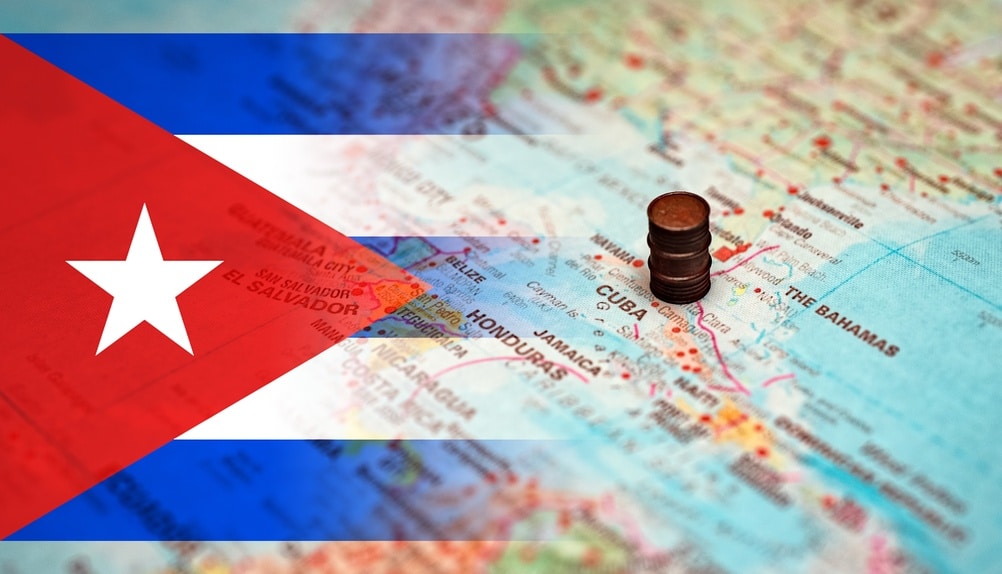
Cuba’s national electrical grid suffered a partial collapse in its eastern provinces Thursday morning, severing power from Guantánamo to Ciego de Ávila, as Energy Minister Vicente de la O Levy confirmed the country has exhausted all fuel reserves.
“We have absolutely no fuel oil, and absolutely no diesel. We have no reserves,” de la O Levy said on state media Wednesday night. He said blackouts in Havana had reached 22 hours a day.
President Miguel Díaz-Canel said Cuba faces a deficit of more than 2,000 megawatts (MW) during peak evening demand, with 1,100 MW already lost Wednesday due to fuel shortages. He described U.S. measures as a “genocidal energy blockade.”
Grid operator Unión Eléctrica (UNE) confirmed the eastern grid disconnect but gave no timeline.
Reuters reporters in Havana confirmed Wednesday night was the largest single night of protests since Cuba’s energy crisis began, with hundreds blocking roads using burning garbage and chanting “turn on the lights.” Police were present but did not intervene.
Cuba’s only confirmed fuel delivery since December 2025 came from the Russian tanker Anatoly Kolodkin, which brought more than 700,000 barrels of crude oil in March, de la O Levy said.
Venezuela had been the island’s primary petroleum supplier before the U.S. military captured Venezuelan President Nicolás Maduro in January, ending those shipments.
Cuba’s Ministry of Finance and Prices announced Tuesday that fuel prices in foreign currency will shift to a variable, market-based system starting May 15, ending decades of fixed-price fuel subsidies, a move receiving little coverage outside Cuba.
Foreign Minister Bruno Rodríguez reversed his earlier description of a U.S. $100 million humanitarian aid offer as a “fable,” saying Cuba was “ready to hear the details of the proposal.” The assistance would be distributed through the Catholic Church and independent organizations, the State Department said.