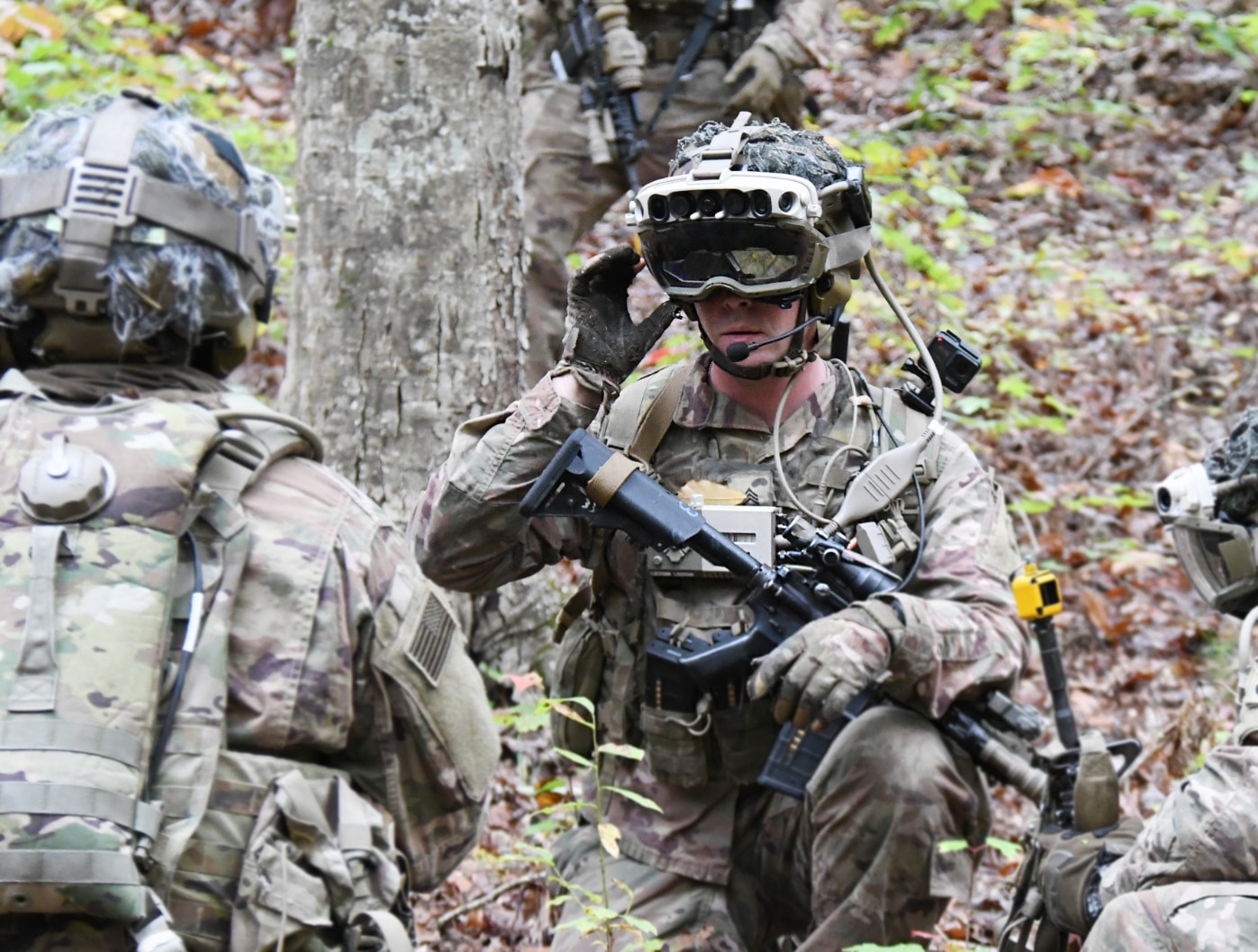
The U.S. Army has awarded more than $350 million to Anduril Industries and Rivet to develop wearable augmented reality systems for troops, as part of the service’s Soldier Borne Mission Command program (SBMC).
The SBMC program will replace the troubled Integrated Visual Augmentation System (IVAS) with modular headsets, body-worn computers, and combat-ready software. Anduril secured $159 million, while Rivet, a Palantir-backed startup, received $195 million to develop these systems.
The awards signal a shift from Microsoft’s earlier $22 billion IVAS contract, which faced setbacks due to soldier complaints of nausea, discomfort, and performance issues.
The SBMC program is now designed as a “fight first” system that can also support training, with early field evaluations expected within two years.
Anduril founder Palmer Luckey, who also created Oculus VR, the company behind the Oculus Rift headset that helped popularize consumer virtual reality, said he will not produce a system that makes users sick.
“There’s nobody better than me, and I know what I’m doing, and I’m going to make sure that we do it the right way. And we’ve already proven that we’re making things that do not make people sick. They do not make them throw up,” Luckey said.
Rivet, likewise, is emphasizing “comfort, ruggedization, utility and compliance” in its prototype, CEO Dave Marra told Defense One on Friday.
Marra added that the prototype will incorporate a range of voice commands to connect logisticians, maintainers, and other personnel on the battlefield.