A former Australian special forces soldier will face the country’s first war crimes trial over the 2012 shooting of an Afghan villager.
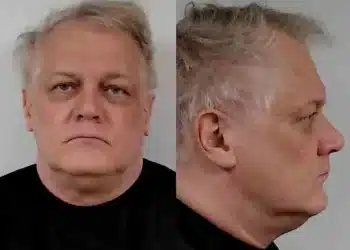
Oliver Schulz, 43, was charged in 2023 with the war crime of murder after helmet-cam footage showed him shooting Afghan man Dad Mohammad in 2012.
Magistrate Greg Grogin ruled there was sufficient evidence to proceed after reviewing the footage. Grogin also criticized prosecutors for repeated delays, saying it had taken far too long to reach this stage. Schulz, who denies the charge, faces life in prison if convicted
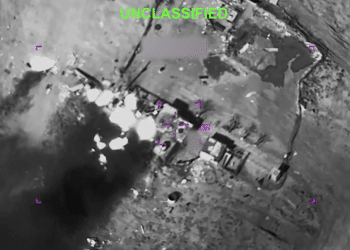
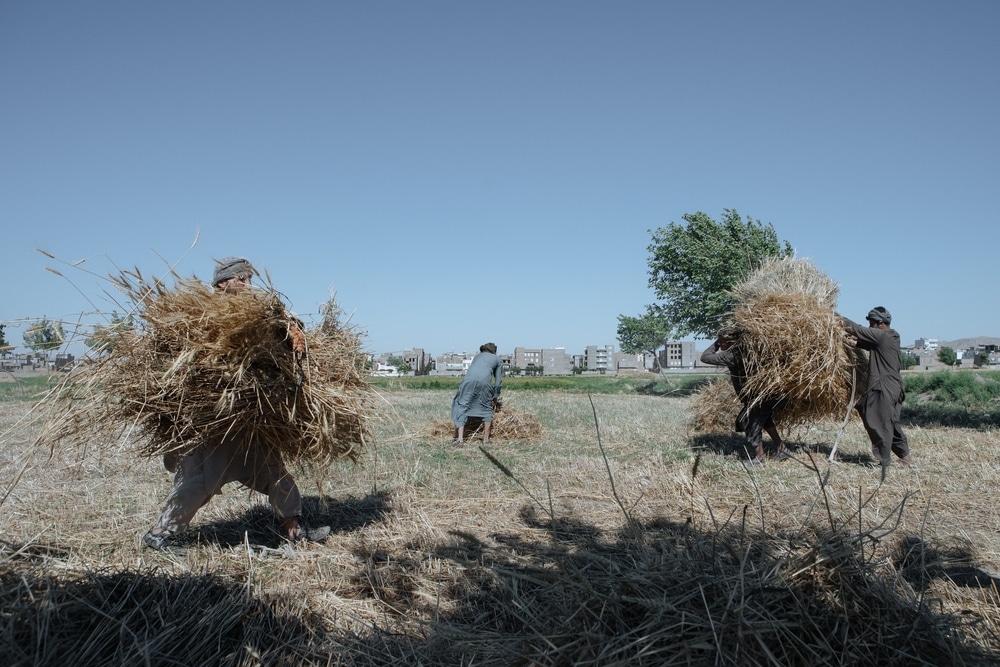
The footage shows a Special Air Service (SAS) dog engaging Mohammad in a wheat field during an Australian Defence Force mission in Uruzgan Province, southern Afghanistan. The dog is then called off, and Schulz is seen aiming his weapon at Mohammad, who is lying on the ground. He is heard asking three times, “You want me to drop this c***?” before firing three shots.
Australian SASR during their deployment to Afghanistan
byu/Additional_Ad5882 inMilitary
The patrol, known as Objective Young Akira, was tasked with capturing or killing a Taliban insurgent. Australian Defence Force (ADF) investigators initially cleared Schulz, concluding Mohammad posed a threat because he was holding a radio and “tactically manoeuvring.” Afghan villagers later contested that version of events, saying he was a farmer with a leg condition that limited his mobility.
The case became public in March 2020 when ABC Investigations identified the victim and interviewed his family. Then-prime minister Scott Morrison described the footage as “shocking,” prompting a wider debate over ADF conduct in Afghanistan. Schulz was stood down from duty after the broadcast.
Under Australia’s Criminal Code, killing a person who is not a combatant or is incapacitated can constitute a war crime. The maximum penalty is life imprisonment. Schulz is scheduled to be arraigned in October.
The case follows the 2020 Brereton Report, which found credible evidence of 39 unlawful killings by Australian special forces in Afghanistan between 2007 and 2013.